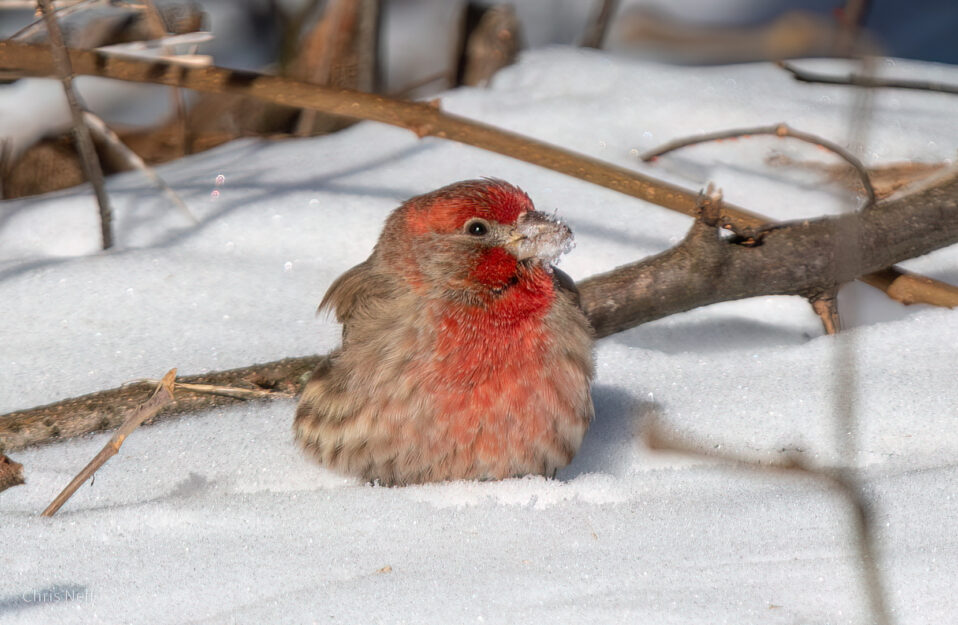
House Finch – Chris Neff
Love (for birds) is in the air! February’s low temperatures and snowy weather are with us. For people, it may feel like a quiet month, but it rewards birdwatchers brave enough to face the cold with wintering waterfowl, woodpeckers, and rare migrants. This month, we can witness birds’ survival skills firsthand. Unlike the bustling of breeding and migration the spring offers, February is a month of roosting and rest. Roosts are where birds sleep or relax when they are not raising their offspring, and birds can be found utilizing roosting sites at various times of the year. Understanding the key differences between roosts and nests can help birdwatchers appreciate how bird behavior changes across seasons.
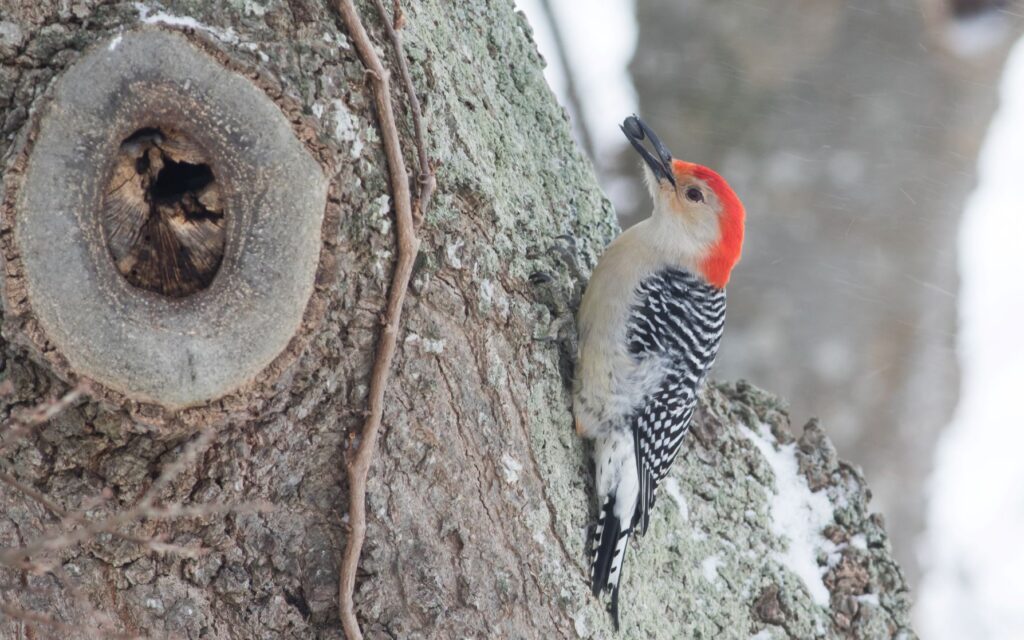
Roosting is essential for birds to survive a New Jersey winter. Scarce food sources and cold weather make energy conservation necessary. Most birds roost in dense vegetation to maintain their body temperatures and reduce their visibility to predators. Reed beds, shrubs, and even artificial shelters are all valuable roosting habitats that New Jersey has to offer wintering birds. At dusk or in the evening in February, birdwatchers are most likely to witness this behavior. Birds flock together and settle in for the night, often returning to the same roosting location each evening.
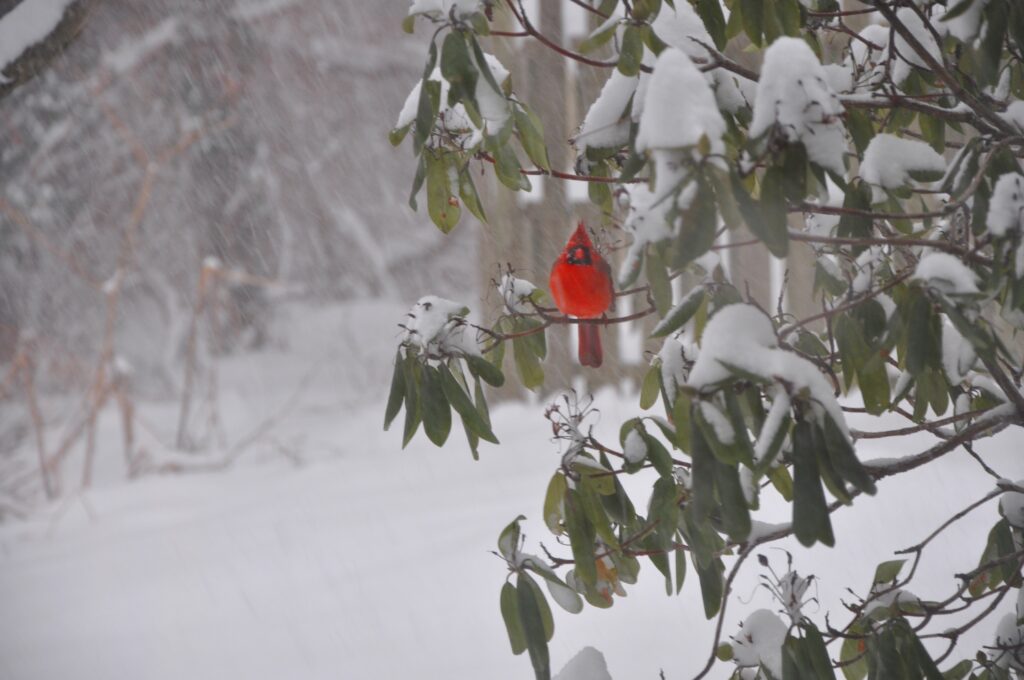
Many of New Jersey’s common winter birds and early migrants communally roost for better protection and more warmth. Across urban and rural areas, European Starlings line telephone wires or tree canopies in large groups. Red-winged Blackbirds and many sparrow species enjoy roosting in our marshlands and wetlands, disappearing into the cattails at night. Many residents may recognize the crows’ intense calls from their neighborhood park. Hundreds to thousands of birds gather to survive the frigid February nights.
Nesting, by comparison, is not common in February. Birds build nests to raise their offspring, making it a largely springtime behavior. A successful nest would require abundant food and sunlight. February’s harsher winds, freezing temperatures, and lack of insect activity prevent most birds from nesting. However, birdwatchers may still witness songbirds carrying twigs or other materials. While it appears a bird may be building a nest, it is more likely a territorial behavior.
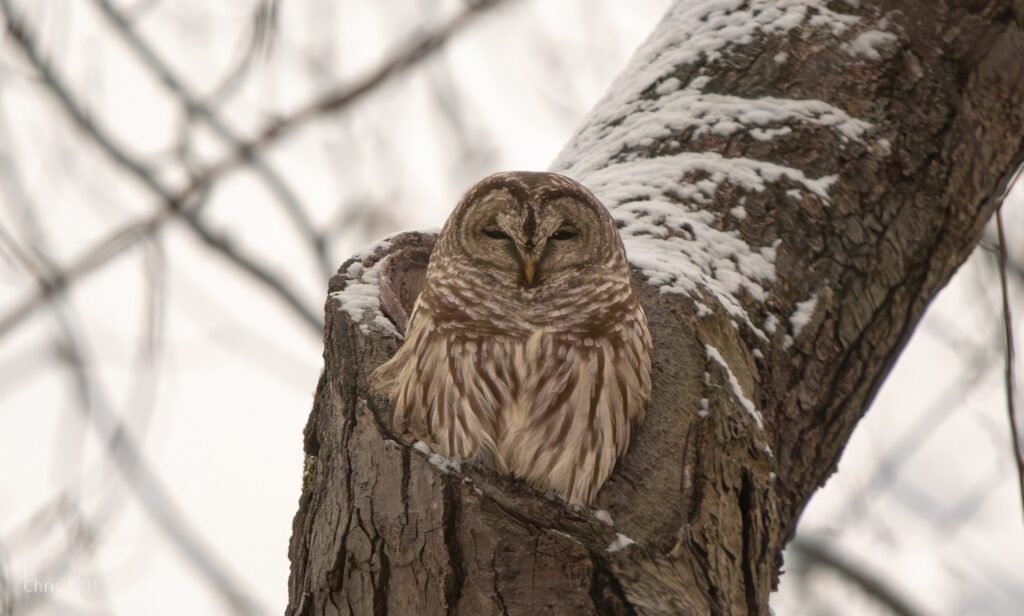
New Jersey’s larger bird species are notable exceptions to the seasonality of nesting. Bald Eagles, Barred Owls, and Red-Tailed Hawks are among the many large birds that nest early. Their large body size allows them to eat fish and small mammals instead of insects, providing a more reliable winter food source. Their large stature also provides better insulation against the cold. Nesting in February allows these birds to breed early and reduce competition for their offspring. To recognize nesting behavior in February, listen for territorial calls and watch for pairs of birds staying together in the same spot.
Birds are surprisingly clever when it comes to winter survival tactics. Many pack on extra fat in the fall, bulking up for the cold months ahead. Jays, nuthatches, and other species stash food in hundreds of hiding spots around their territory, a behavior known as food caching, then remarkably remember where food is stored (a skill many of us wish we had with our car keys). Additionally impressive is torpor, where tiny birds like hummingbirds and chickadees slow down their metabolism during freezing nights, dropping their body temperature by 18-36°F and cutting energy use by up to 95%.
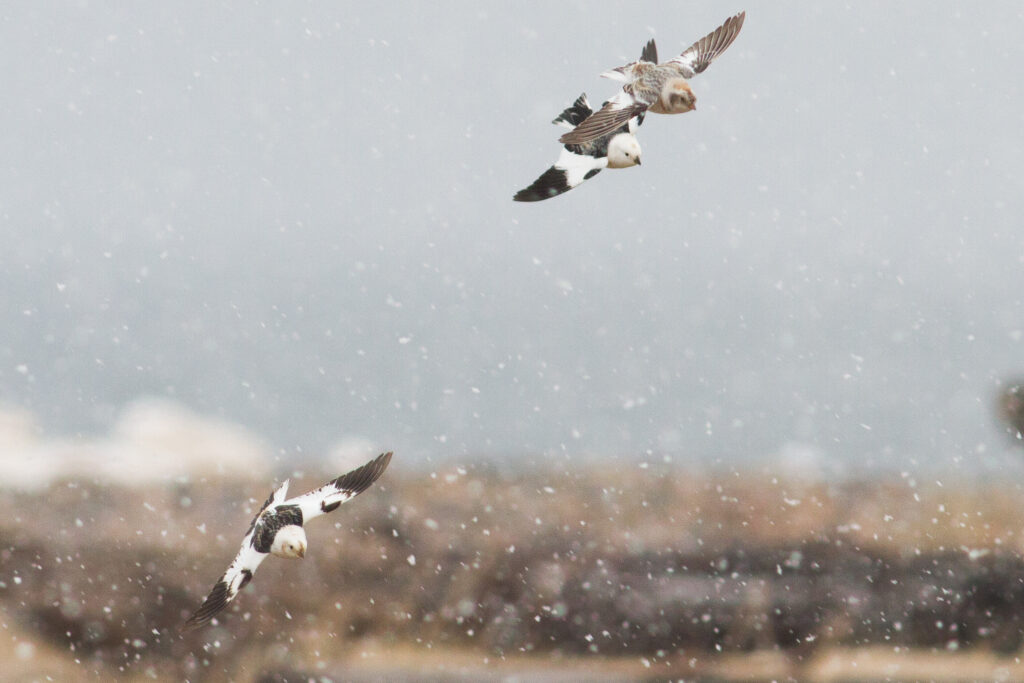
Understanding the behavior birds exhibit can help you respect their space and notice unique differences among New Jersey’s wintering species. From the coastal marshes full of waterfowl to the open agricultural fields circled by hawks and owls, February is an excellent time to slow down and observe the everyday behaviors that often go unnoticed amid the busyness of warmer months.
February birdwatchers may not hear the energetic songs of colorful migratory birds- still, they can get a glimpse into the perseverance birds require to withstand one of the harshest months of the year. For those interested in learning more about how birds survive the winter, join us at one of our three nature centers across the state for crafts, bird walks, and more.
By Megan Ulozas – Rockland Electric Intern
February Events
NATURE CENTER OF CAPE MAY – CAPE MAY
Little Sprouts: Winter Wonderland Series
Tuesdays in February | 10:00-10:45 AM | Ages: 18 months – 3.5 years
02/03 (Bird Houses), 02/10 (Bird Nests), 02/17 (Bird Feeders), 02/28 (Build-a-Bird) Nature exploration program for the littlest sprouts! During this grown-up and me program, we will explore all things birdy, from nests to adaptations!
Family Crafts: Mini Birdhouses & DIY Bird Feeders
Saturday, Feb 21 | 10:00-11:00 AM | Ages: All Ages
Paint your own miniature birdhouse and craft a bird feeder from sustainable materials.
SCHERMAN HOFFMAN WILDLIFE SANCTUARY – BERNARDSVILLE
Count the Birds for the Great Backyard Bird Count
Saturday, Feb 14 | 10:00 AM-2:00 PM | Ages: All | Leader: Dorothy Smullen, Teacher Naturalist.
Join us in the Welcome Center to count birds at our feeding station, learn about the Great Backyard Bird Count citizen science program established in 1998 by National Audubon Society and Cornell Lab of Ornithology, discuss nesting behaviors and nest boxes, and discover how to participate in this worldwide initiative from your own backyard.
Saturday, Feb 21 | 1:00-2:30 PM | Ages: Adult | Leader: Stephanie Punnett, Program Director.
Join us for a hands-on workshop where you’ll assemble your own bluebird nest box from a kit, learn maintenance and mounting techniques, and discover how to attract these beneficial insect-eating birds to your backyard.
LORRIMER SANCTUARY – FRANKLIN LAKES
After School Nature Club – Winter Series
Wednesdays in February | 3:30-4:30 PM | Ages: 4-7 years
We welcome young naturalists for books, outdoor exploration, nature crafts, and environmental learning
in our drop-off program. Weekly topics include Birds in Winter (2/11) and more. Parents welcome to stay!
Saturday, Feb 14 | 10:00 AM-11:30 AM | Ages: All | Lake Henry, Mahwah
Grab your love bird and enjoy a Valentine’s Day Bird Walk in this guided event. We’re hoping to get your
heart soaring for birdwatching as we chat about beginner techniques and looking for early nesters.
Thursday, Feb 26 | 6:30-8:00 PM | Ages: 8+ with parent supervision
Join us to paint your very own birdhouse! Hang out with fellow art lovers and create your own colorful
masterpiece.