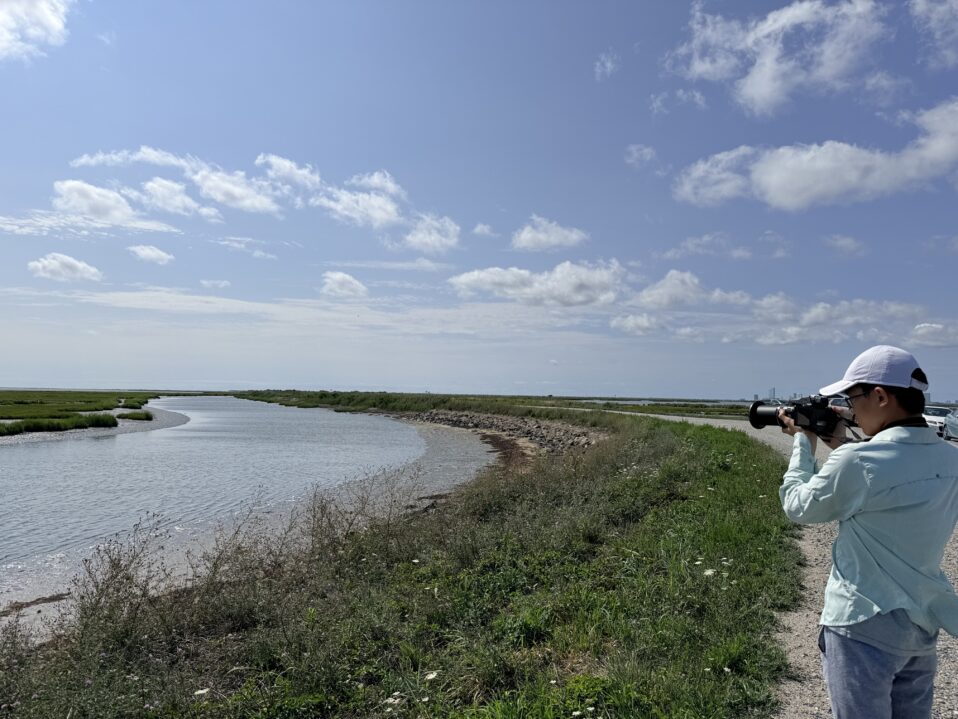
Recently, I went on a bird walk with NJ Audubon at Edwin B. Forsythe NWR. There were so many birdwatching experts helping my family and me identify all of the numerous birds, and honestly, there were more birds than I was ready for!
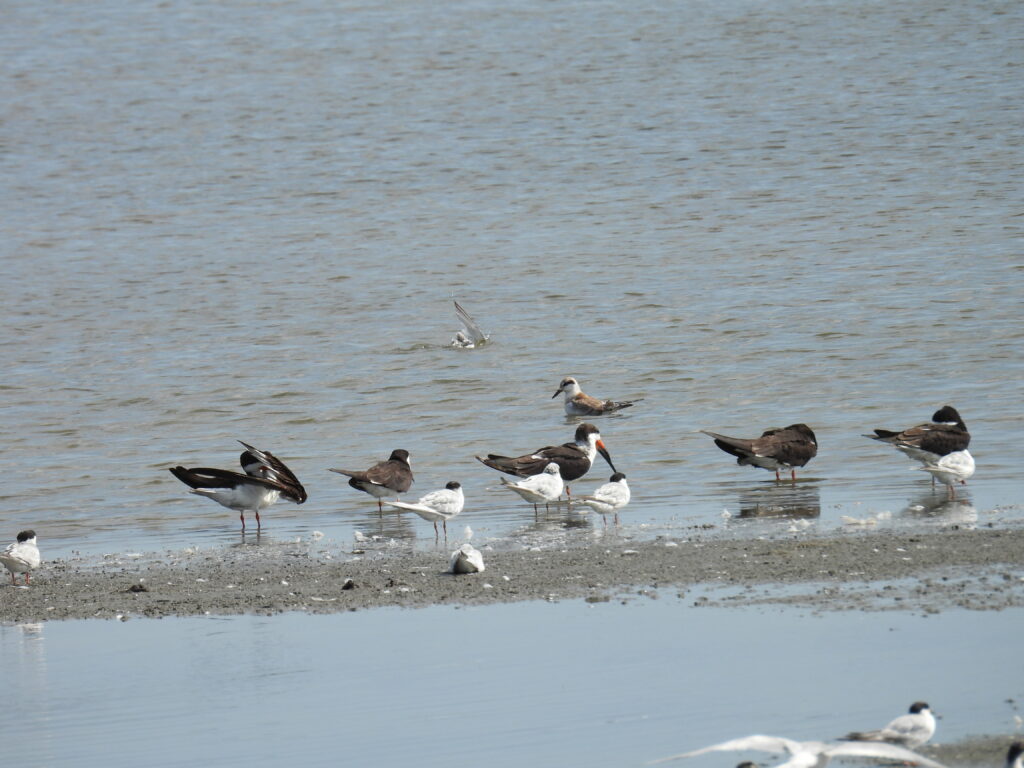
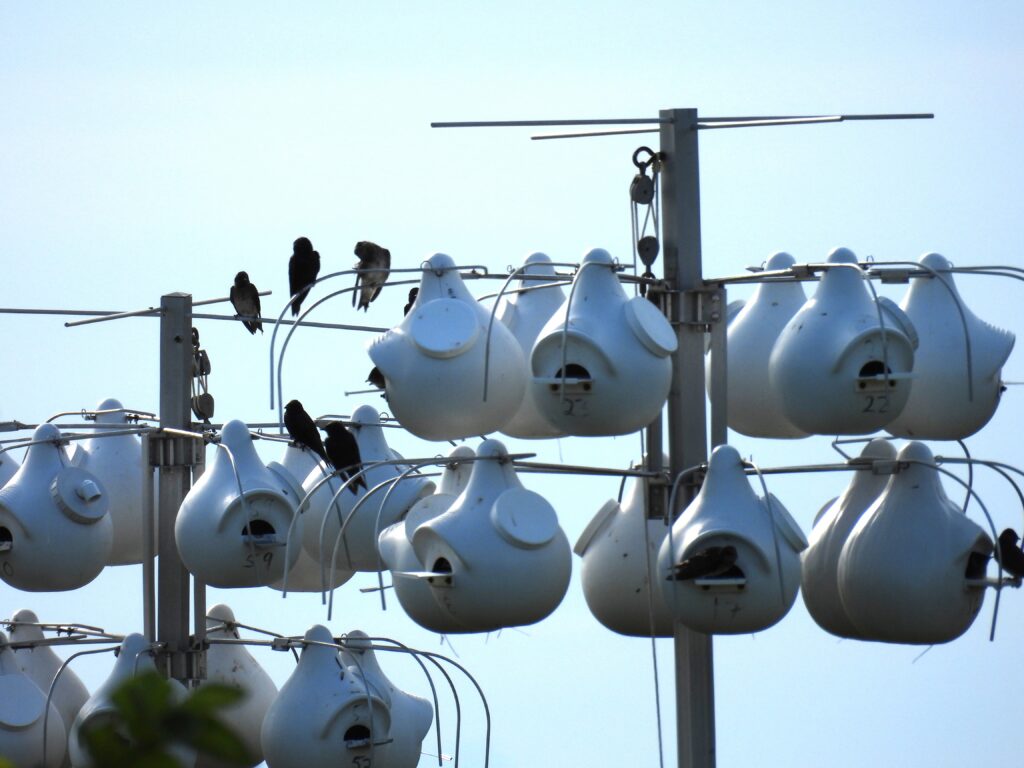
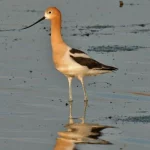
A sizable chunk of the excitement was whenever someone in the group would shout out an uncommon bird, and everyone would immediately try to find it. This happened multiple times with the Black-necked Stilts, the Hudsonian Whimbrels, and the Pectoral Sandpiper. It happened again with the Red-necked Phalarope, which was exceptionally hard to find, and that made spotting it even more exciting
I came expecting to see a few new birds. I left with a list of many species I’d never encountered before:
- Common Terns
- Caspian Terns
- Gull-billed Terns
- Least Terns
- Purple Martins
- American Oystercatchers
- Semipalmated Sandpipers
- Pectoral Sandpiper
- Hudsonian Whimbrels
- Black-necked Stilts
- Short-billed Dowitcher
- Red-necked Phalarope
- Spotted Sandpiper
- Greater/Lesser Yellowlegs
- Stilt Sandpiper
- Least Sandpiper
- Yellow Crowned Night Heron
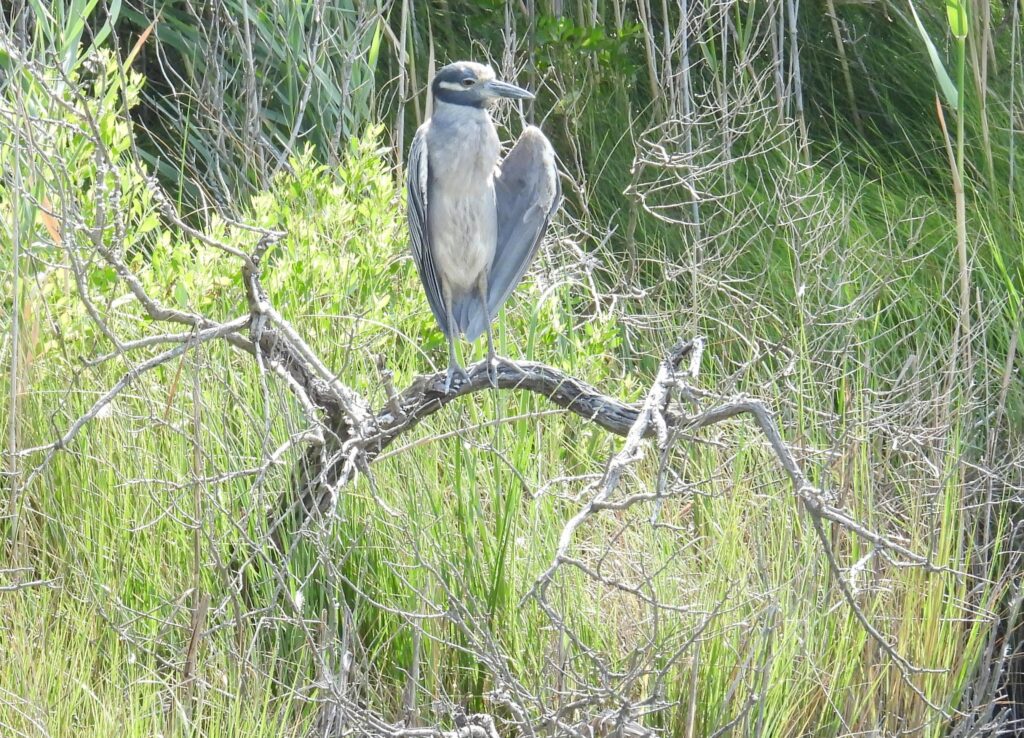
I don’t typically see egrets, ibis, or many herons where I live, so I got pretty excited just having those in view. But exploring shorebirds was also a different experience from looking for songbirds. There’s no song to follow, no flash of color to lock onto — just silhouettes, leg color, and bill shape at four hundred yards, differences I could barely register yet that the other experienced birdwatchers called out like they were reading name tags.
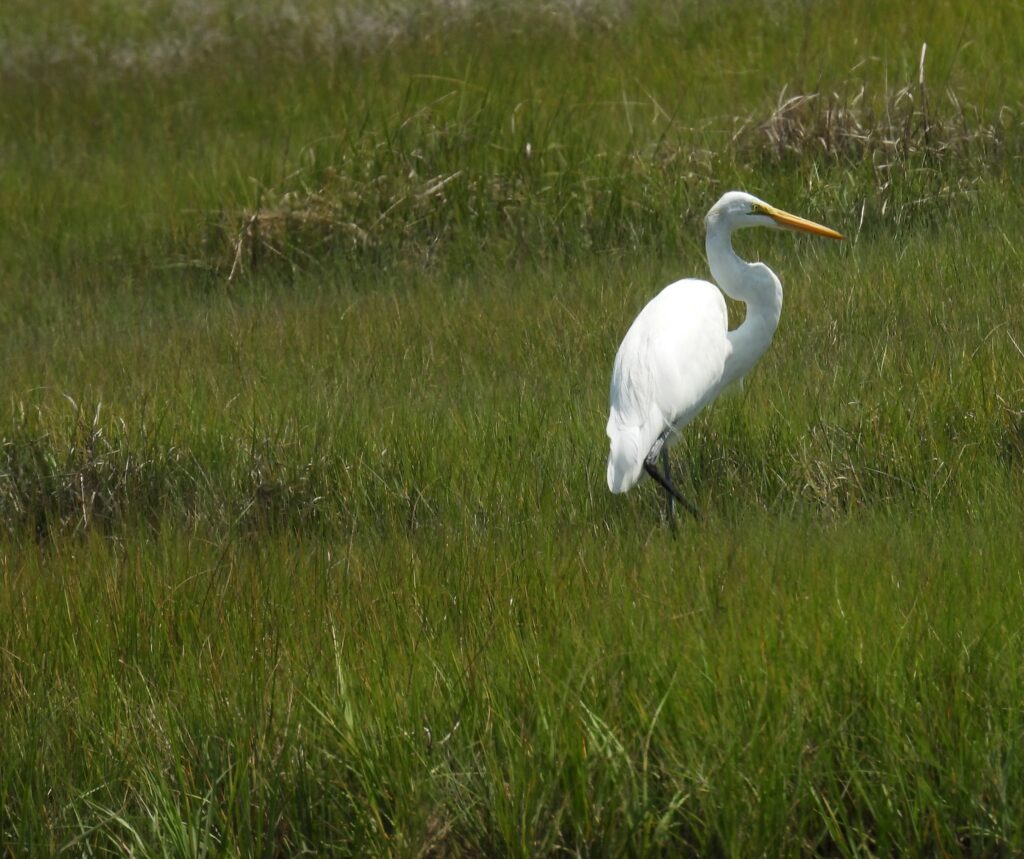
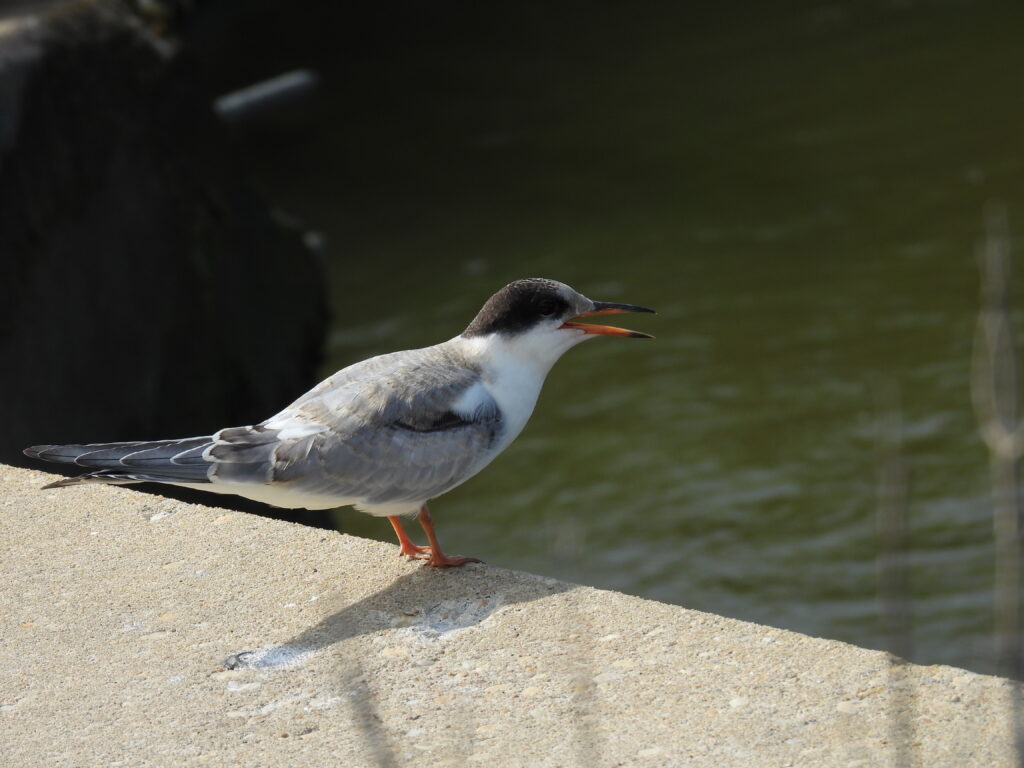
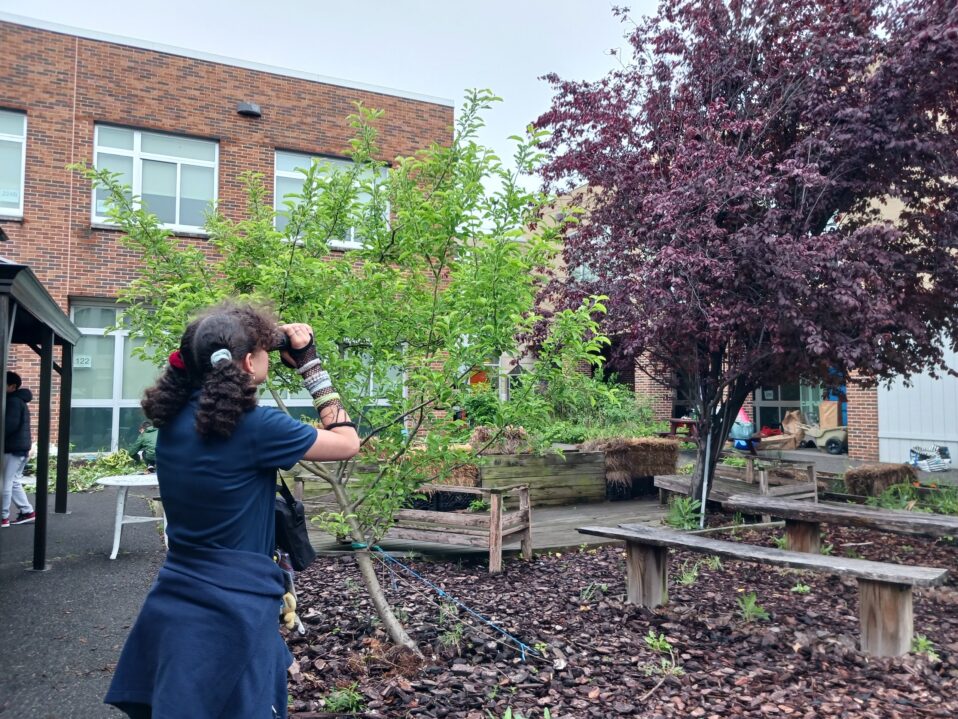
This was also my first walk carrying a camera, and it turned into its own kind of balancing act — trying to find a bird through my binoculars, identify it, and then get the camera up and focused before it moved, all while the group had usually already spotted the next thing. More than once I’d just barely lock onto a shot as someone called out an entirely different species twenty yards away.
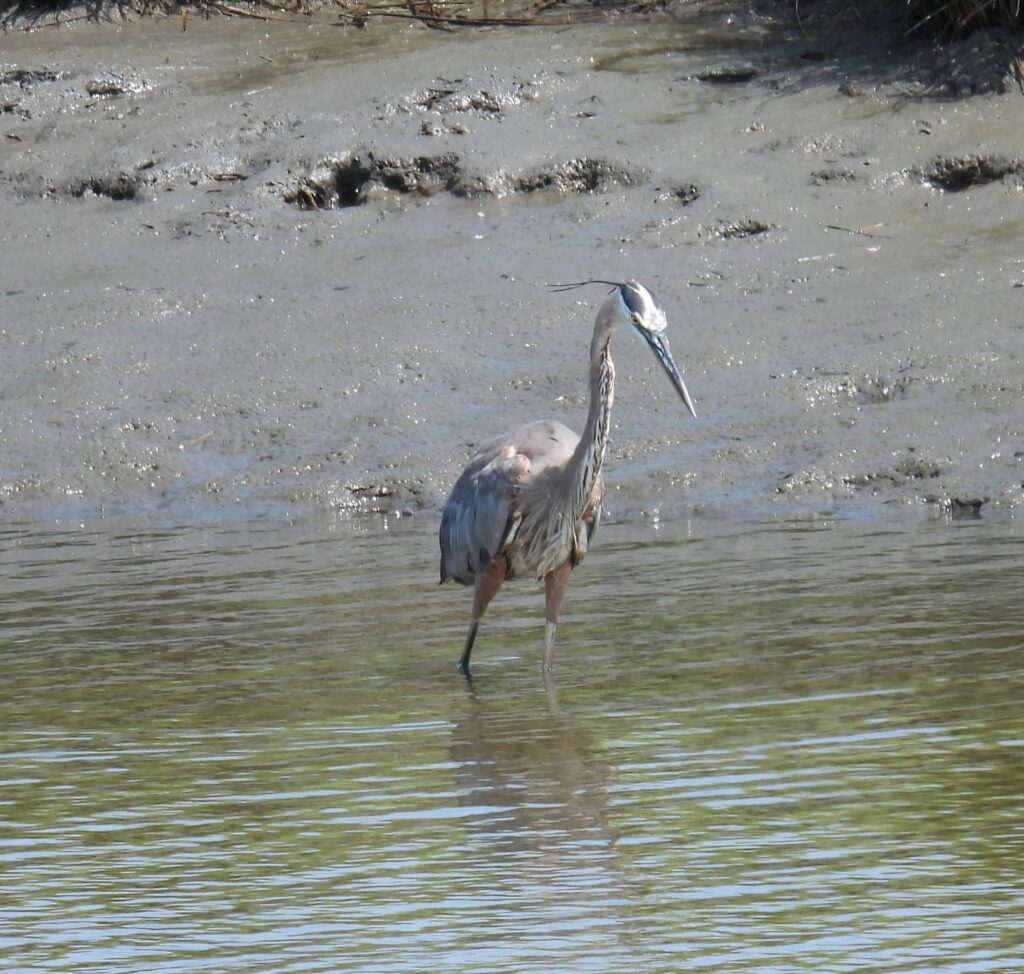
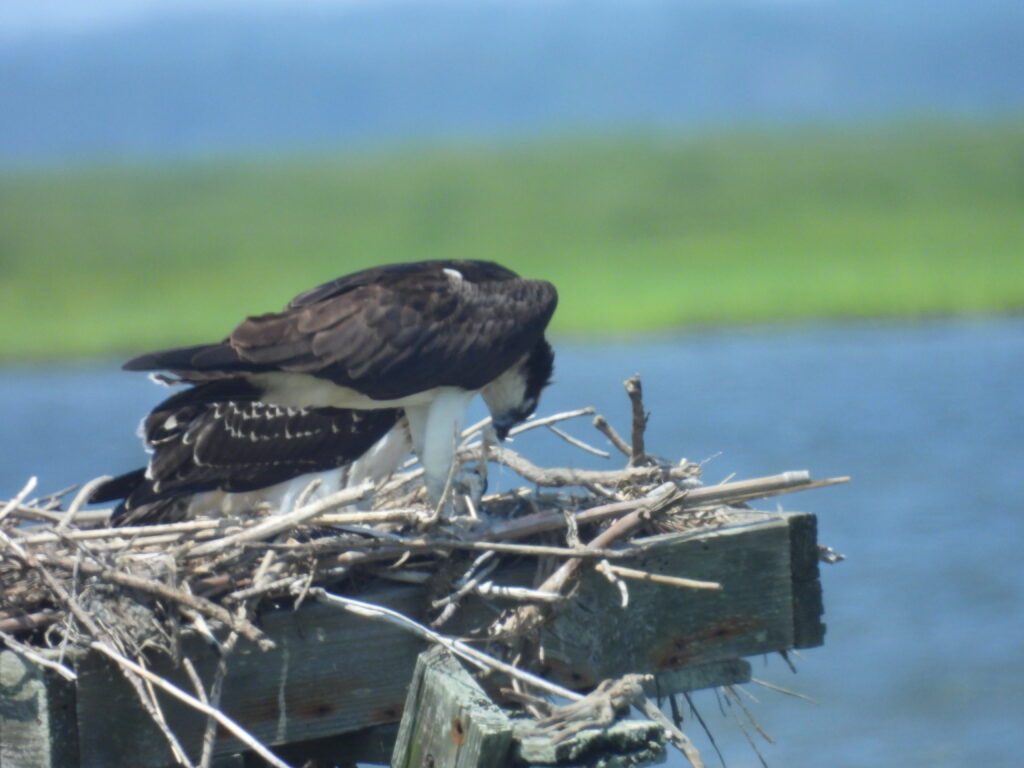
One detail from the walk has stayed with me since: how many of the osprey nests along the water were empty. I did manage to photograph one nest that wasn’t — an adult feeding a chick — but it stood out because it was the exception rather than the rule. A guide mentioned this might be tied to Atlantic menhaden, a small fish that happens to be a major food source for ospreys. Recent observations in New Jersey have linked unusually poor osprey nesting success to a shortage of these fish. Menhaden are also commercially harvested for fish oil and fish meal. This was a reminder that a change in the abundance of a fish I might never have noticed can ripple out to a predator that’s far more visible to us. I am left wondering how humans can keep using a resource like this while still leaving enough of it in the ecosystem for the species that depend on it.
I am so grateful to the guides who taught me so much on this walk — especially Scott Barnes and Linda Mack. I am still amazed at how they could single out one bird out of possibly thousands, from a great distance, without missing a beat. I’m looking forward to my next NJ Audubon walk this fall!
By Alex Wu