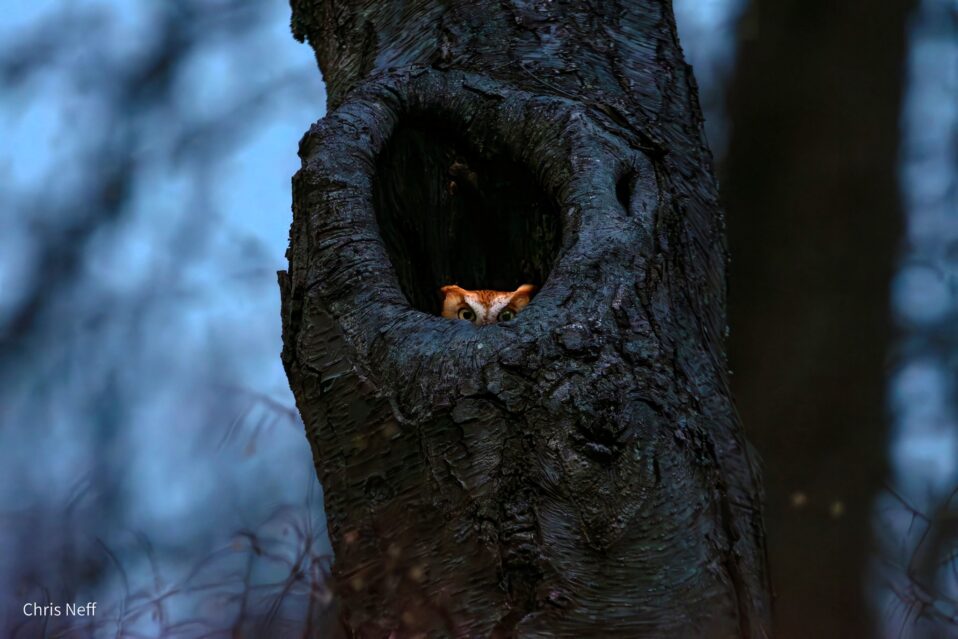
Eastern screech owl
March is a transitional month for nature and people. As we approach the Spring Equinox, snow begins to melt and the early signs of spring take form. These changes can be encapsulated by phenology, the study of nature’s seasonal events. The passage of winter to spring will bring new and returning colors and creatures into our everyday lives while also saying goodbye to the familiarity and comfort of New Jersey’s peaceful winter months. Discerning these changes in our environment can help us feel grounded and excited for the warmer months ahead.
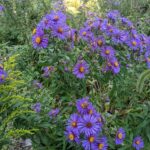
Practicing phenology requires you to indulge in the art of noticing. Observe your surroundings with all five senses, and you may notice when they start to change. For example, you might smell an ephemeral wildflower that recently bloomed alongside a hiking trail. You could see small insects on trees and grass, or bright buds on red maple trees. Birdwatchers might hear the songs of our first migrants this month. Many birds, like robins and red-winged blackbirds, have already started singing throughout the state. The echoing chirps of spring peepers will flood New Jersey’s southern wetlands. Each sense allows nature-lovers to behold the rhythm of the seasons.
Cycles can also be studied by recognizing what is no longer there. Some wintering species will begin their journeys north this month. Waterfowl and rare visitors sought by birders throughout the season will dwindle in numbers. Some species, like dark-eyed juncos, will slowly thin out, while rare winter visitors like snowy owls may disappear overnight. Vibrant warblers and migrating shorebirds will lead birdwatchers on exciting new journeys. You can even recognize your own seasonal behaviors slowly changing, like wearing scarves or a winter coat.
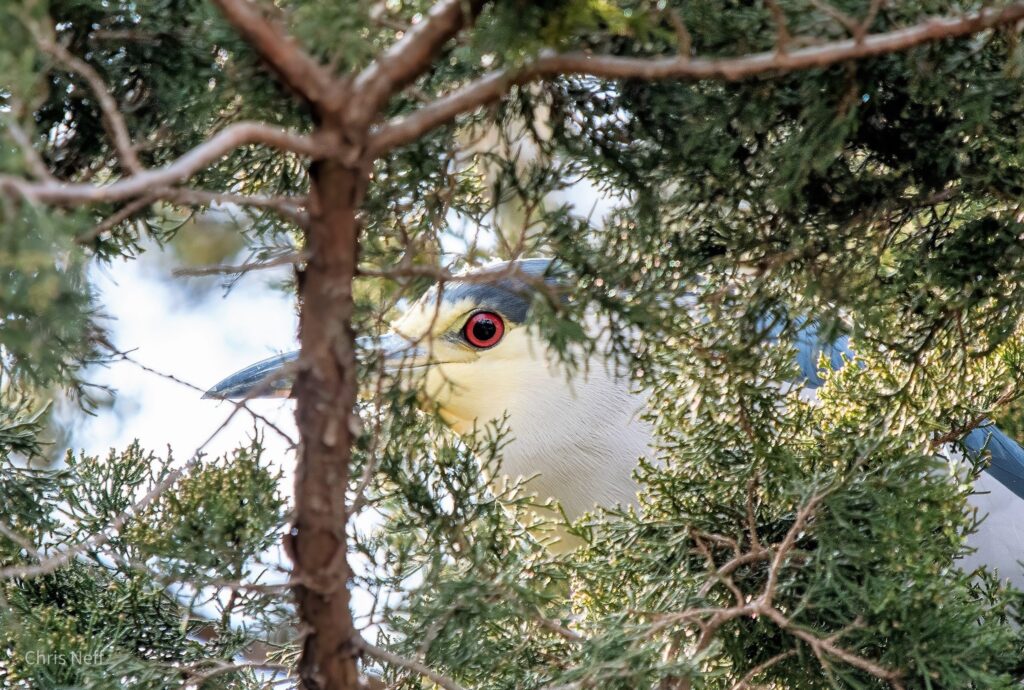
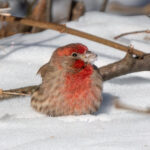
Bird phenology is one of the most exciting and visible seasonal cycles. As breeding season begins, bright plumage and courtship behaviors return as birds search for mates and nesting sites. March is a great time to clean out and set up bird houses so they are ready to support New Jersey’s nesting species. Some birds will work diligently to incubate their eggs and raise hatchlings in the upcoming months. Other species may rest briefly as they continue northward. Regardless, New Jersey is home to vital wetland, beach, and woodland habitats that each contain dozens of diverse birds throughout the spring.
It is notable that seasonal bird behavior, like that of many other species, has been changing. Climate change causes warmer temperatures to arrive more quickly than in the past. While some people may enjoy a reprieve from the bitter February cold, heat signals plants to blossom and insects to awaken from diapause. However, climate change does not affect all creatures the same. Day length or internal clocks signal many birds to begin migrating. As a result, some species are not traveling northward early, despite the availability of berries and insects. This phenomenon is called a phenological mismatch, when one species shifts its seasonal timing faster than another. When the arrival of migratory birds does not coincide with the awakening of insects, it alters the ecological dynamics of early spring.
Phenology can also describe non-living cycles. March 20th is this year’s spring equinox. The equinox occurs when Earth’s tilt is positioned so that neither hemisphere leans toward or away from the sun. Across the globe, there will be almost exactly 12 hours of daylight and 12 hours of nighttime darkness. New Jersey’s days will continue to get longer and warmer throughout the spring. The equinox is also a celebrated cultural event in many cultures and places. It often symbolizes renewal and rebirth. Some places will begin planting crops after the equinox. Others will celebrate this day as the beginning of a new year. Many cultures recognize it as a day of celebratory love, forgiving others, and moving together into the brighter days ahead.
Although March is a month of change, the return of familiar species and the sun’s warmth signal fresh beginnings. Embracing the Earth’s natural calendar can help us connect with nature and feel grounded as we transition into spring. Welcome the new season with NJ Audubon and join us at one of our three nature centers across the state.
By Megan Ulozas – Rockland Electric Intern
Upcoming Center Events
Nature Center of Cape May – Cape May, NJ
Spring Equinox Sunset Yoga
When: March 20th | 6:00pm | Ages: Adults and children 12+ | $20/member, $25/nonmember
We will create balance in our bodies and minds through an outdoor yoga practice and a spring
equinox-inspired meditation exercise.
Rainbow Roundup Nature Walk
When: March 28th | 2:00pm | Ages: All ages | $8/child, $12/adult
Come on a nature walk to identify the first blooms of the season, search for signs of wildlife,
Lorrimer Sanctury – Franklin Lakes, NJ (Our 70th Year!!)
Winter Tree ID Hike
When: March 12th |10:00 am | Ages: All ages | $8/members, $10/ non-members
Join us for a fun Winter Tree ID Hike and learn to spot trees like a pro in the chilly outdoors!
Signs of Spring Nature Walk
When: March 20th | 9:00 am | Ages: All ages | Free
Join us for a fun Signs of Spring Nature Walk and spot blooming flowers and chirping birds up close!
Nature Journaling
When: March 25th | 3:30 pm | Ages: 8+ | $15/members, $20/non-members
Grab your sketchbook and join us outside to draw, write, and connect
Scherman Hoffman Wildlife Sanctuary – Bernardsville, NJ
Learning the Birds by Song Series
When: March 15th | 1:00 PM | Ages: All ages | Per Session: $15/members, $22/ nonmembers
For beginners and those with some experience, this birding-by-ear series will improve your
Paint your own birdhouse
When: March 21st | 1:00 pm | Ages: All ages | $ 18/Member, $25/non-member
Paint your own gourd birdhouse