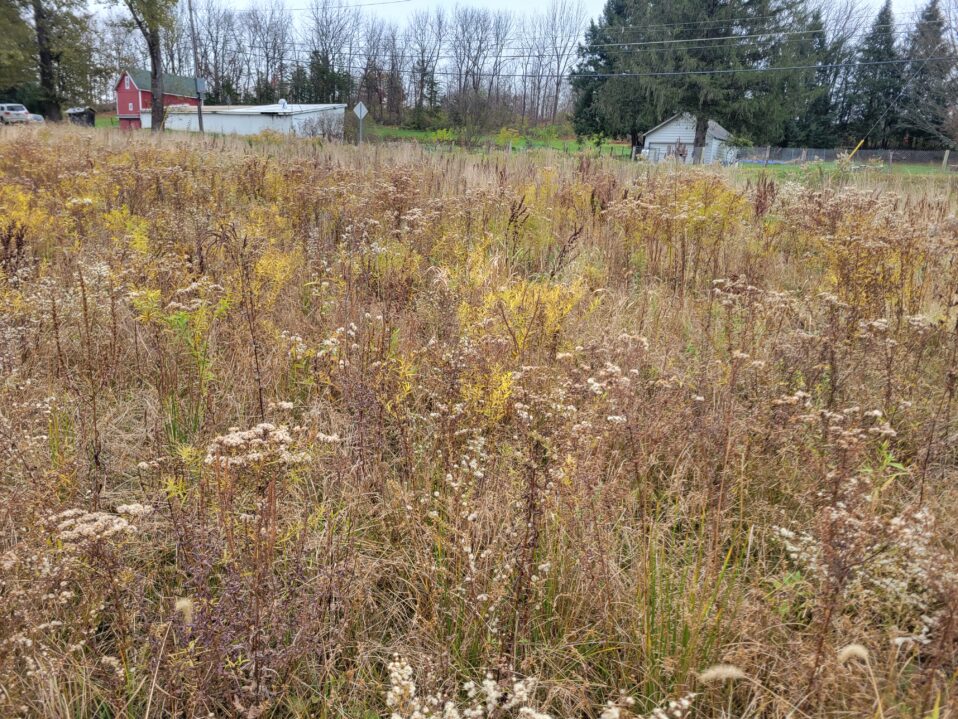
Ah, fall! Cooler nights, crisp mornings, crickets chirping, meadows full of goldenrod, boneset, and joe-pye weed. It’s a great time to enjoy the outdoors. And of course, September and October are peaks months to get out and witness the amazing range of birds, insects, and other migratory animals during their passage through New Jersey.
September birding tends to focus on looking for migratory species traveling through New Jersey on their way south to wintering grounds. Species groups include shorebirds, raptors, and songbirds (also known as passerines). September sees the passage of many neotropic migrants (birds wintering in the new world tropics from Mexico and the Caribbean south into the Amazon) that become scarce or absent in October. It’s also the month when large flocks—sometimes in the thousands—of Broad-winged Hawks pass through on their way to the Amazon Basin. Osprey, Bald Eagle, and American Kestrel numbers peak, and throughout the month numbers of Sharp-shinned Hawk and Cooper’s Hawk increase.
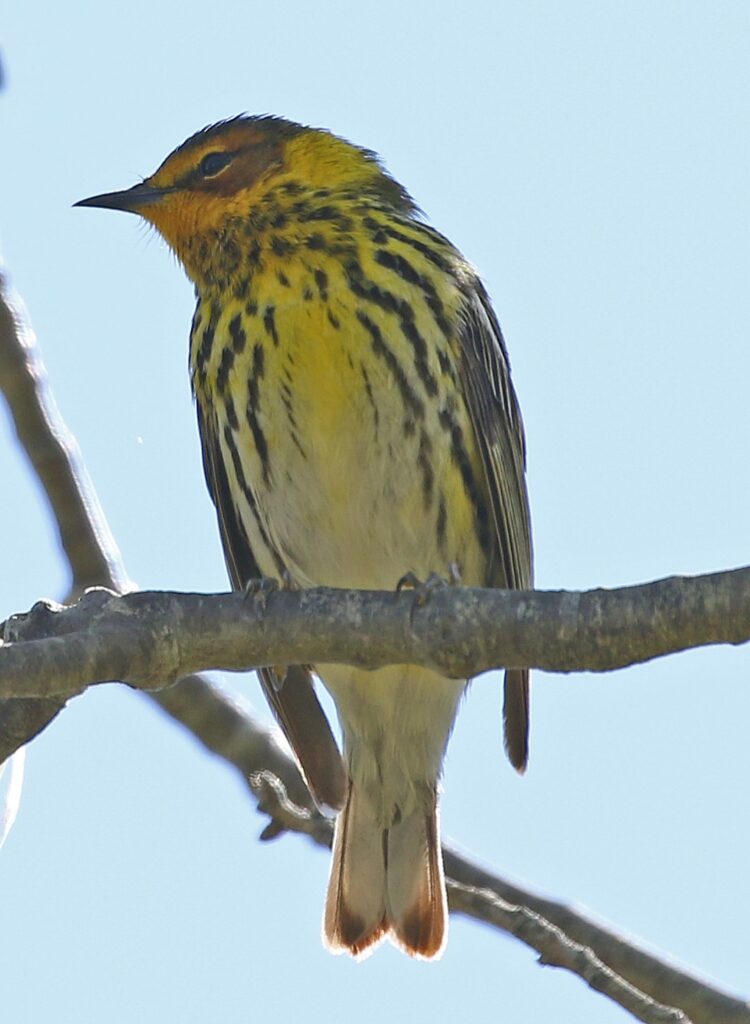
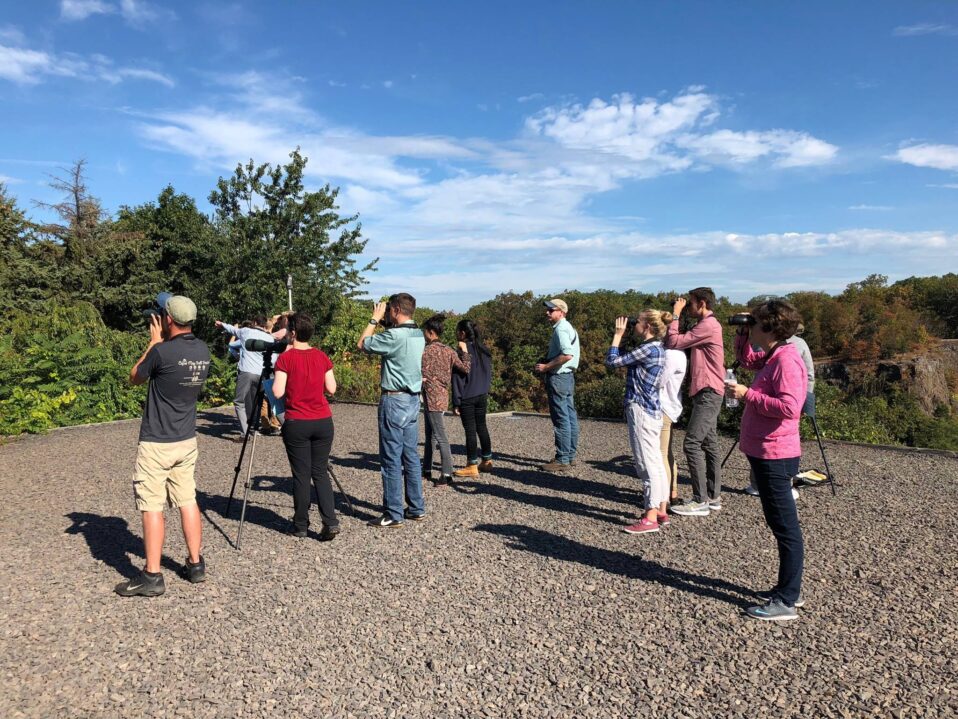
New Jersey Audubon operates two hawk watches during the fall. Our Montclair Hawk Watch runs September 1-November 30, 9:00 am to 5:00 pm and is staffed by a migration counter and knowledgeable volunteers. Visitors are welcome. In addition to raptors, many other species of birds migrate by, with 198 species recorded there over the years. Montclair Hawkwatch | New Jersey Audubon
The world-famous Cape May Hawk Watch is staffed daily from September 1-November 30 with a migration counter and interpretive naturalists. A large and accessible deck overlooks Bunker Pond, and many species of birds can be found simply by birding from this one spot. Cape May Hawkwatch | New Jersey Audubon
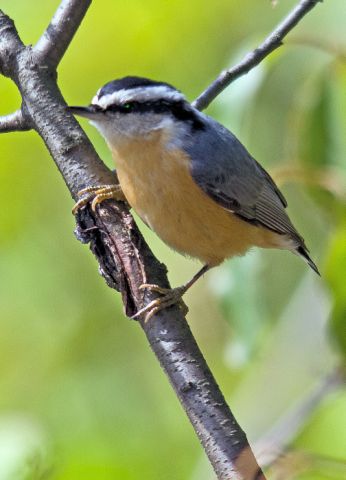
Passerines, or perching birds, are a favorite group for many people. From urban parks and backyards to parks and preserves, songbirds can turn up anywhere during migration. Backyard habitat helps and you will be rewarded! In highly populated areas where habitat is scarce, birds will seek out whatever green spaces they can find. Even a small patch of vegetation can hold a migrant or two, sometimes more. I was sent a photo once of a Winter Wren that spent an October day foraging in someone’s potted flowers on a windowsill in Jersey City. Providing native vegetation for food and shelter helps wildlife wherever you live.
Places like Liberty State Park, DeKorte Environment Center, Schmidt’s Woods, Chimney Rock, Mercer Meadows, Ernest L. Oros Preserve, Palmyra Cove Nature Park, John A. Roebling Memorial Park, Riverwinds (West Deptford Nature Trail) and other smaller pocket parks can all be good for species including thrushes, flycatchers, warblers, orioles, and tanagers. This is just a sampling of some of the well-known places to bird; there are many more.
Coastal areas hold high diversity of species with a combination of terrestrial and aquatic habitats. Sandy Hook, Island Beach State Park, Barnegat Lighthouse State Park, Edwin B. Forsythe National Wildlife Refuge, and last but certainly not least, Cape May, are all excellent places to see everything from wading birds like herons and egrets, gulls and terns, shorebirds, raptors, and passerines. The coast concentrates birds, and productive migration days can often produce large numbers, variety, and occasionally something rare. Try one of the spots mentioned above to see thousands and thousands of Tree Swallows swirling over the dunes this month or in the first half of October. It’s a cool sight to see!
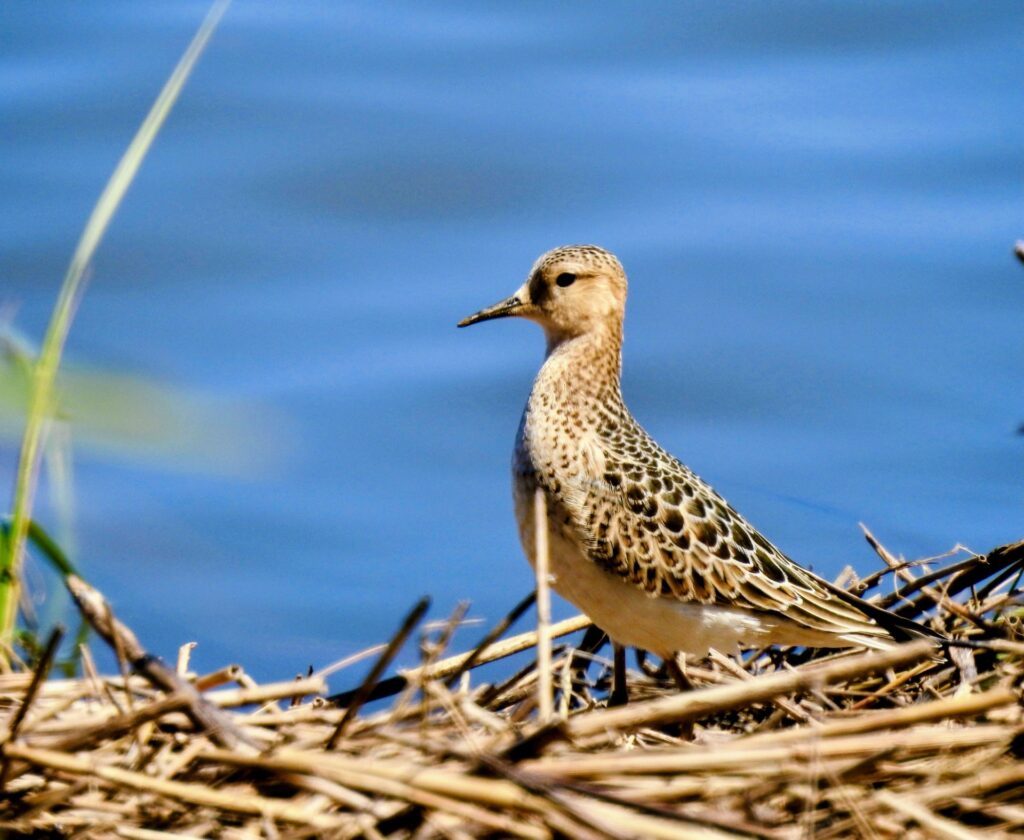
The old saw “Timing is everything” certainly applies to birding. Looking for your life Buff-breasted Sandpiper? The only time you can see this beautiful migration champion in New Jersey is between late August and the first week of October. Only juveniles migrate through our state; more experienced adult birds use the central flyway. The same is mostly true for Baird’s Sandpiper. This timeframe of occurrence is also the same for Connecticut Warbler, with most records of this prized and secretive species from early September through the first week or so of October.
Weather is an important part of birding, especially during migration seasons. Generally speaking, larger numbers of birds migrate after the passage of cold fronts in autumn. Winds with a westerly component, especially west or northwest winds, offer better chances for seeing more birds. This is an oversimplification of how weather affects fall migration, but it’s a starting point. Birds use large-scale features in the landscape to help them navigate: hawks follow the Appalachian Mountains and other ridges southbound, or hug the coast (especially falcons); ducks, nighthawks, herons, and swallows may use larger north/south oriented rivers, and songbirds pushed overnight off the coast reorient by flying back into the wind, dropping in into habitat along the shore where they hopefully find food and cover before continuing on their journey.
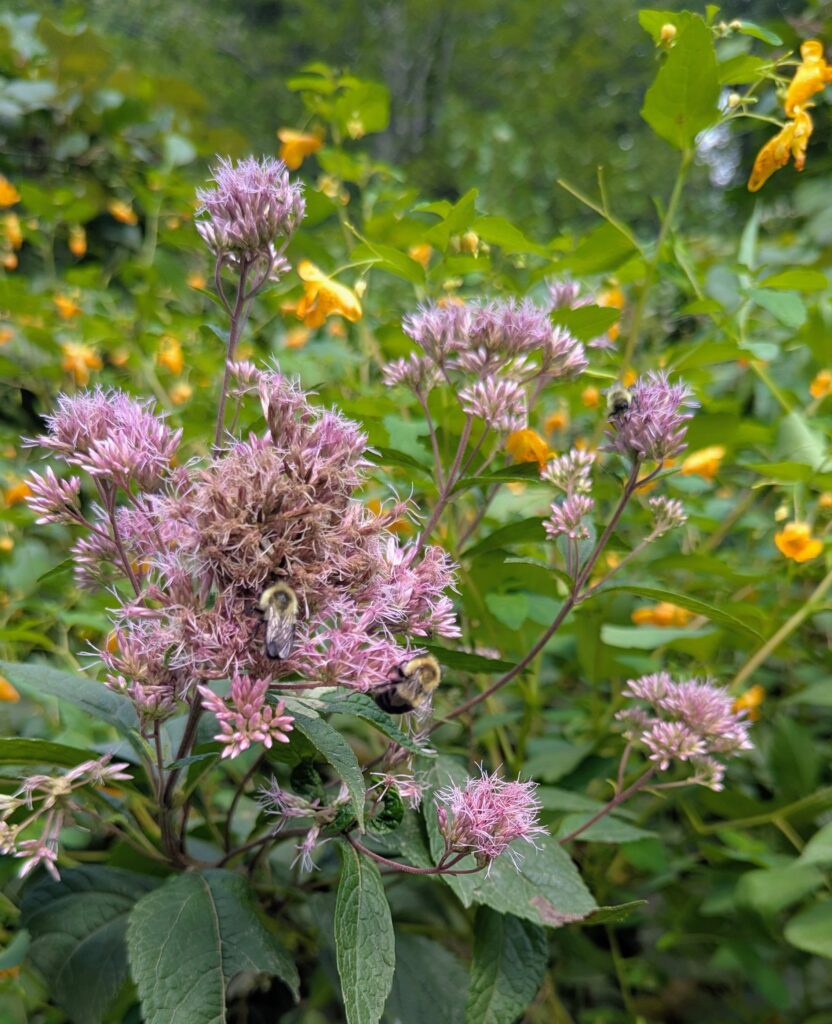
Take your own journey somewhere near or far this season to experience the wonders of migration. You won’t be disappointed. If you like going on organized trips, New Jersey Audubon has many day trips to excellent birding sites around the state. You can find more information on our calendar of events. Events for September 2025 | New Jersey Audubon
By Scott Barnes, Senior Naturalist-Cape May Bird Observatory