In January 2026, the Invasive Species Management Act was signed into law and regulates the sale, distribution, and propagation of designated invasive plant species to protect native ecosystems.
Native plants are a huge benefit to New Jersey wildlife and us.
See below to learn about what plants to plant and which ones to not.
Our Spring Native Plant Sale is May 2nd
LEARN MORE
Don’t Plant
Do Plant
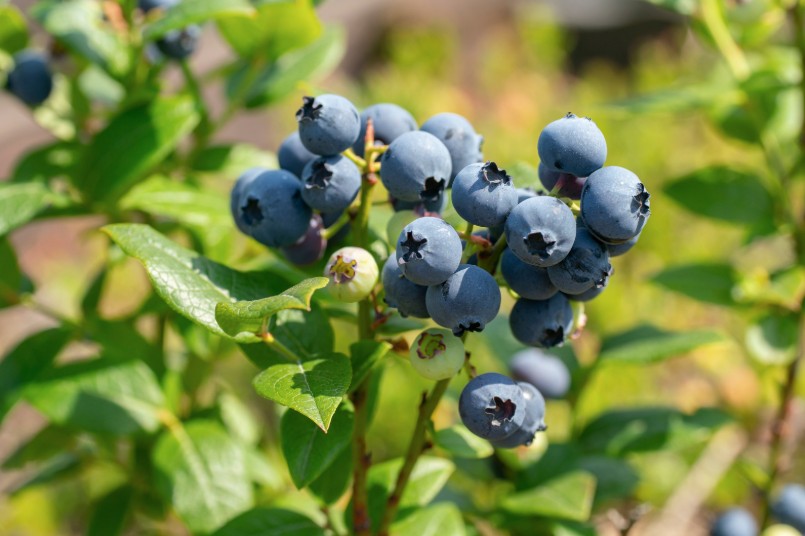
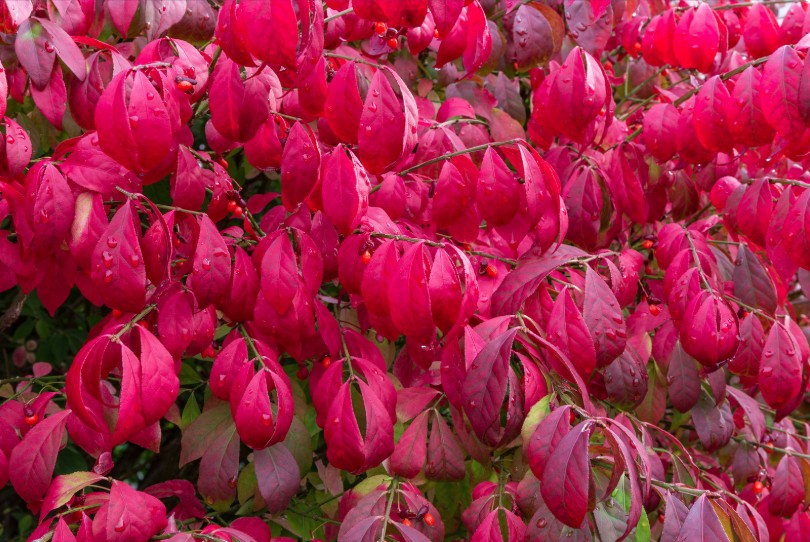
Highbush Blueberry is planted for its brilliant fall color. It’s a good choice for well drained and acidic soil. Spicebush is a suitable alternative if you have clay soils. Its foliage is a golden yellow; it produces berries for wildlife and is the host plant for the Spicebush swallowtail caterpillar.
Don’t Plant
Do Plant
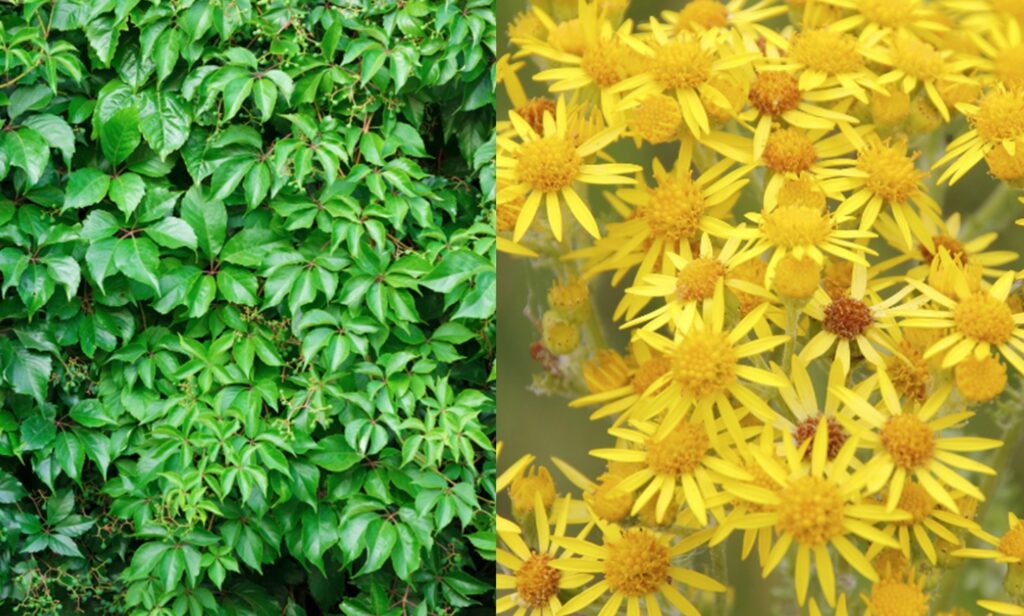
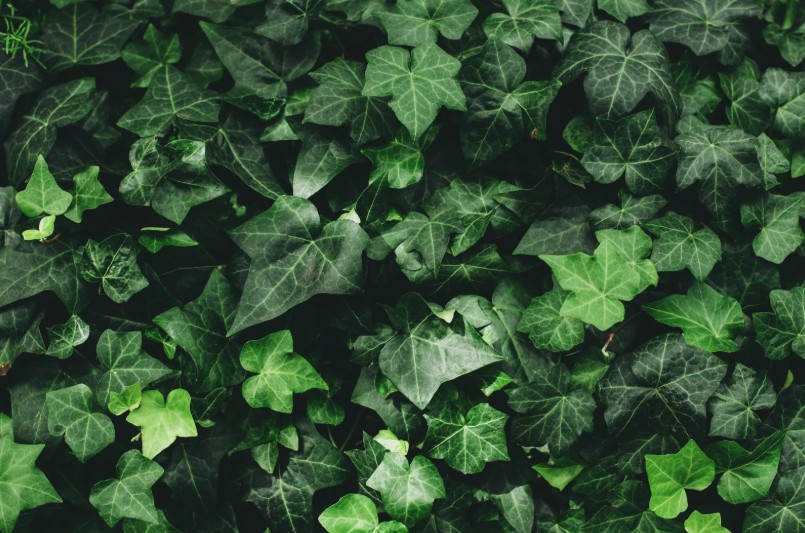
If you are looking for a climbing vine, Virginia creeper is better behaved in the garden and has beautiful fall color. It can be used in similar landscape situations as English Ivy and does not kill the trees that it climbs. For situations where a groundcover is desired, Golden Ragwort is a wonderful alternative.
Don’t Plant
Do Plant
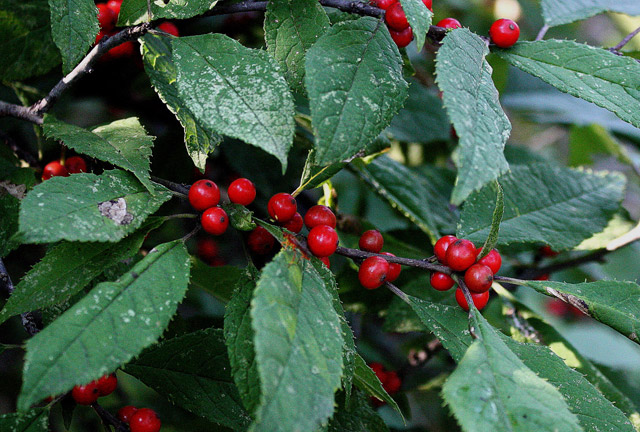
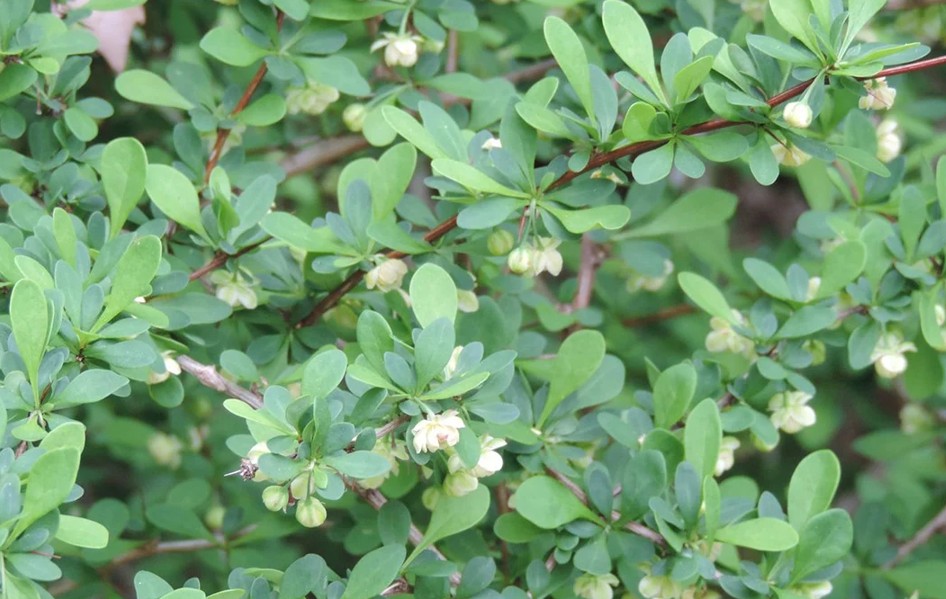
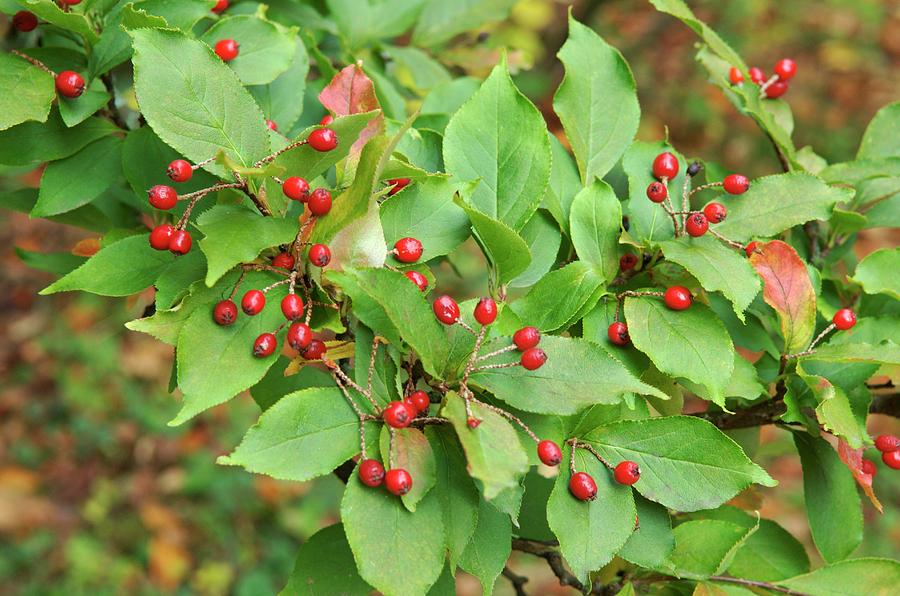
Winterberry Holly produces small, white flowers in the spring that are beloved by a variety of insect pollinators. Winterberry holly does not have thorns like Japanese Barberry does.
Don’t Plant
Do Plant
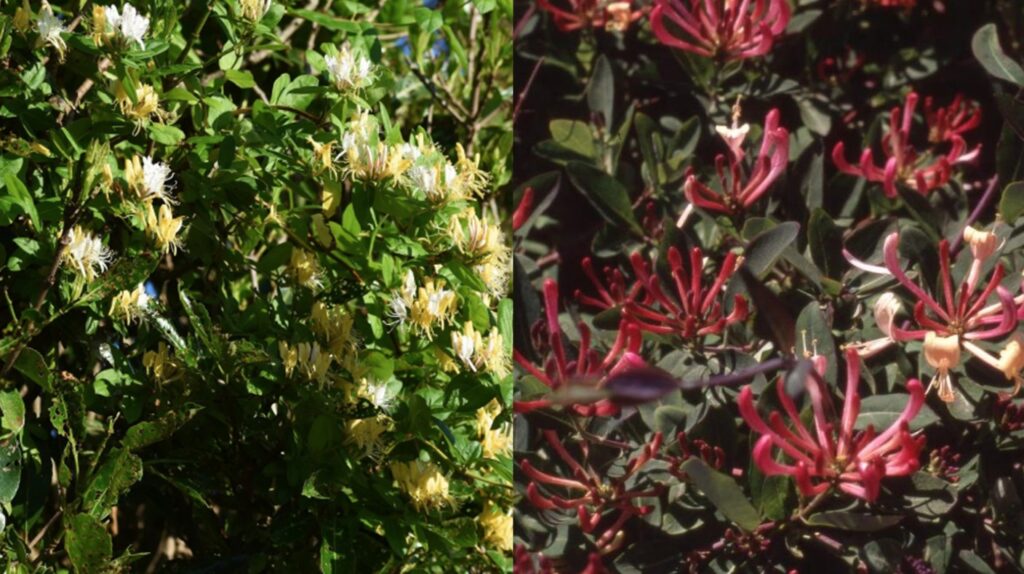
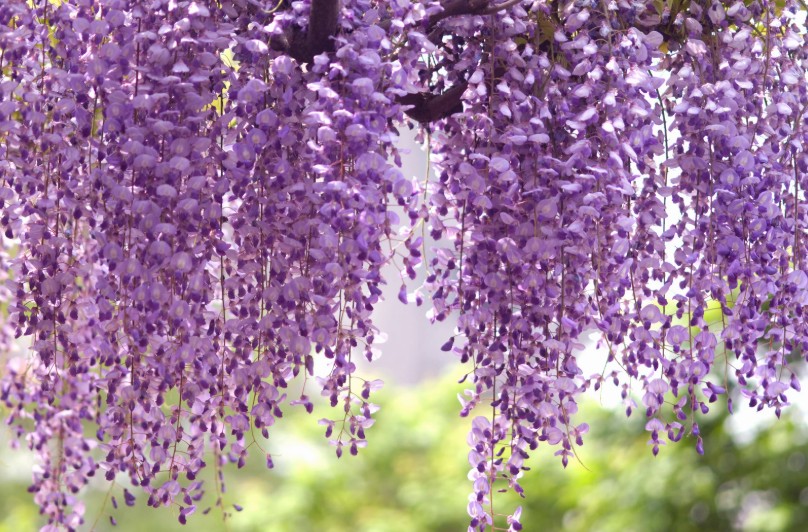
Coral Honeysuckle is a quick growing vine that can be used on a trellis or fence like Wisteria. It attracts hummingbirds, butterflies, bees, and has a long bloom time. Woodbine produces delicate white flowers that bloom in late summer for about a month.
Don’t Plant
Do Plant
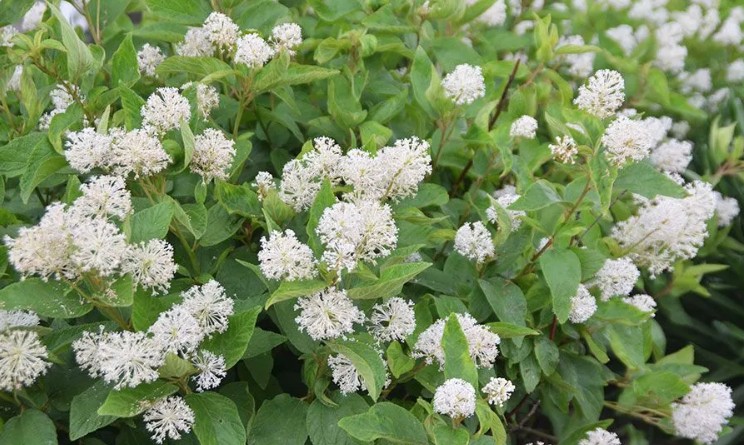
NJ Tea produces beautiful white flowers in a cluster, similar to Oriental Photinia. It is a valuable early nectar source in the spring for pollinators and wildlife consumes its seeds.
Don’t Plant
Do Plant
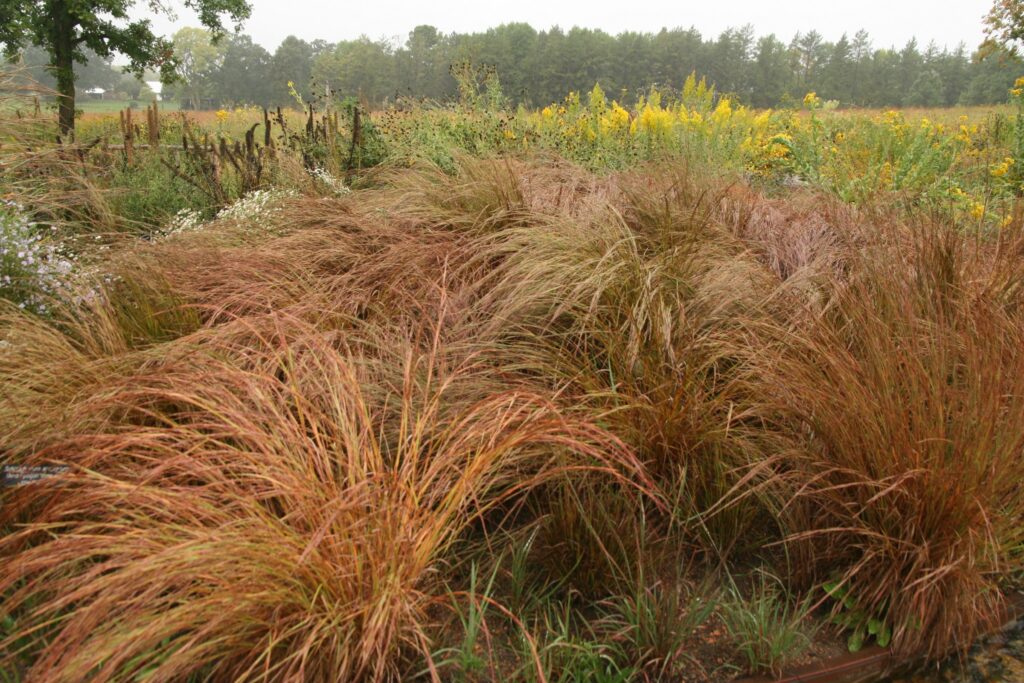
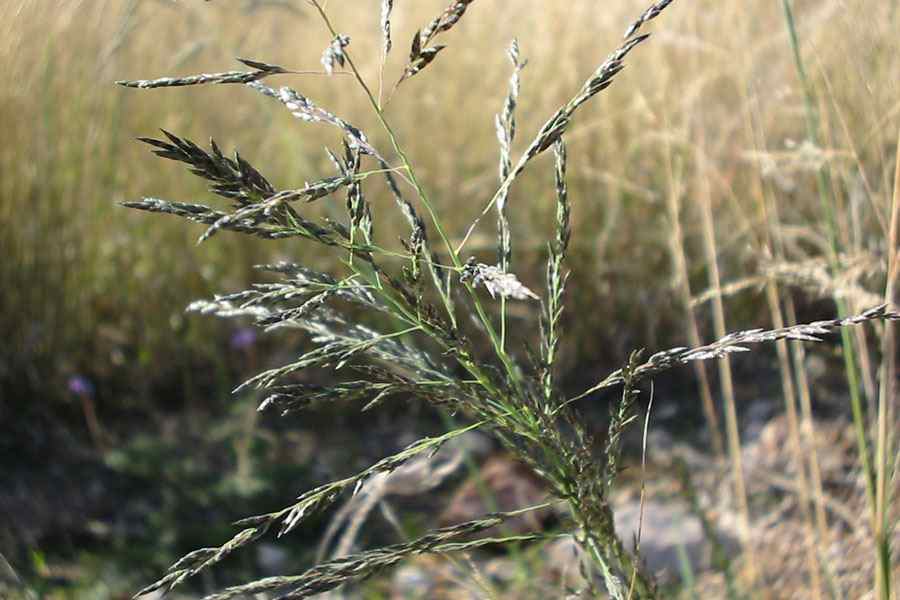
Little Bluestem is a native bunch grass that offers rusty-orange fall color in the garden. It can be used in the landscape when clumping grasses are desired, and it produces seed that is consumed by wildlife.