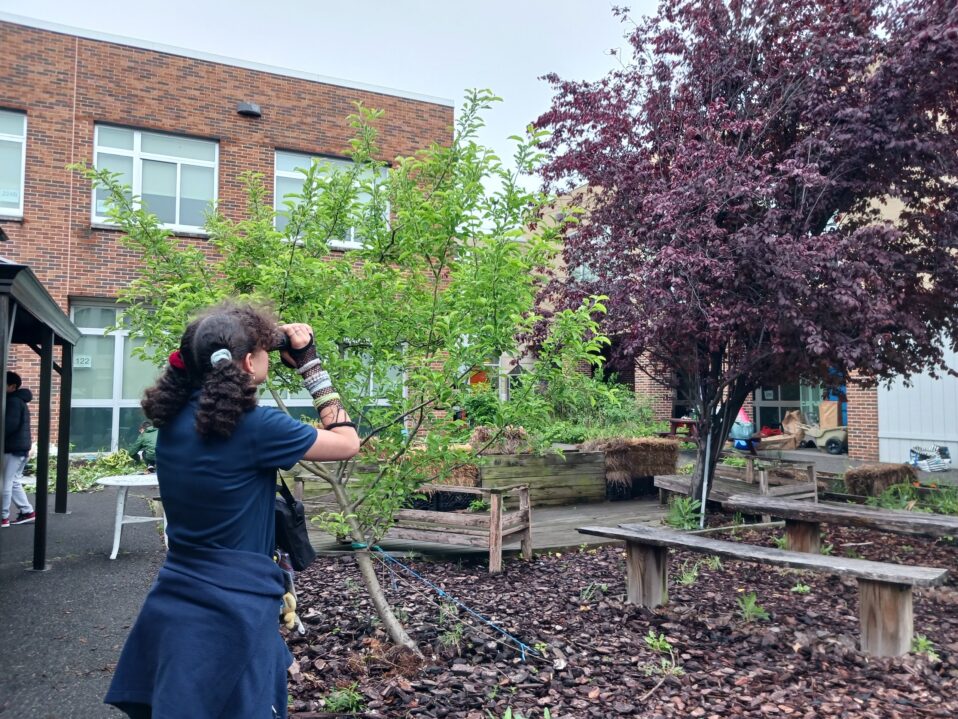
Each year, as summer winds down and families are shopping for school supplies, the Eco-Schools U.S. program starts up. An international program from the Foundation for Environmental Education, it helps students and teachers create more sustainable schools in over 100 countries worldwide. Here in the U.S., it is coordinated by the National Wildlife Federation. As an NWF affiliate New Jersey Audubon manages it here in New Jersey.
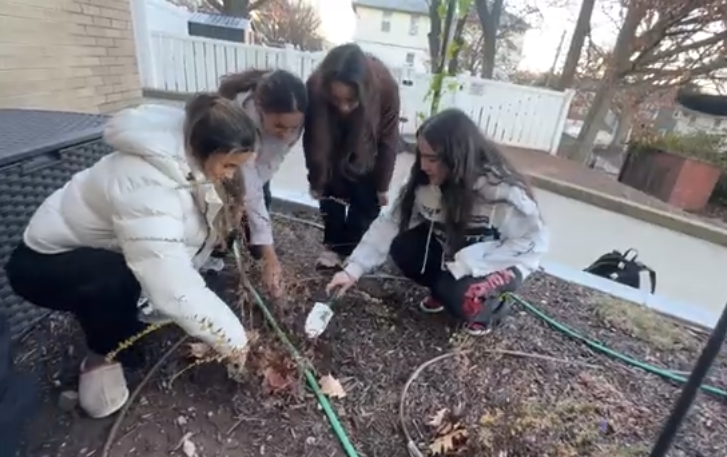
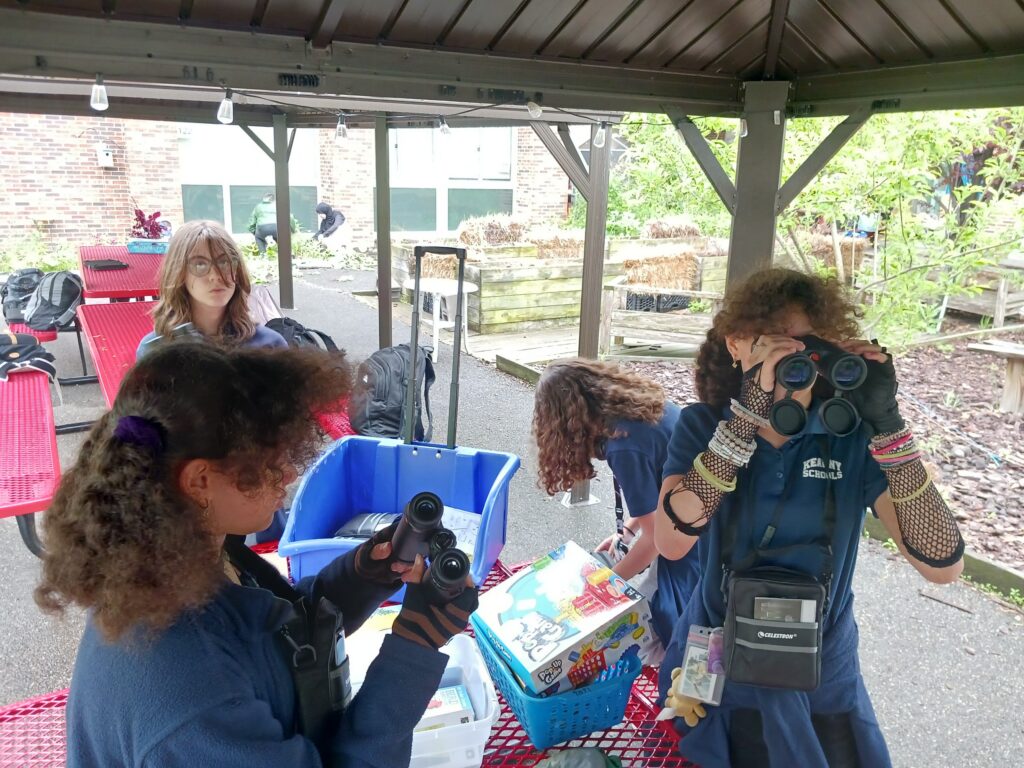
SO what exactly is Eco-School U.S.? It is a school sustainable certification program that is absolutely free to participate in. It is student-focused, place-based (taking action in their school and community), and project-based (students identify something want to accomplish and plan and carry out a solution). Last year Uptown Complex used hydroponics to raise lettuce for students to enjoy. They plan on expanding and donating next year’s lettuce to a food pantry. Scotch Plains-Fanwood High School, Reading-Fleming Intermediate School, and Cedar Creek all raised trout which they then released into nearby waterways to support fish populations (Scoth Plains-Fanwood also raised terrapins, a coastal turtle, before releasing them in Holgate on Long Beach Island). The Peddie School wanted to address issues with plastic waste and created an UpCup campaign where students using a cup provided to everyone could enter drawings and get discounts at local businesses. Students at Cape May Tech had a chalk-out event on Earth Day – they covered all the pavement outside the school with art and environmental messages to raise awareness. George L. Catrambone Elementary School made beeswax wraps for families and community members.
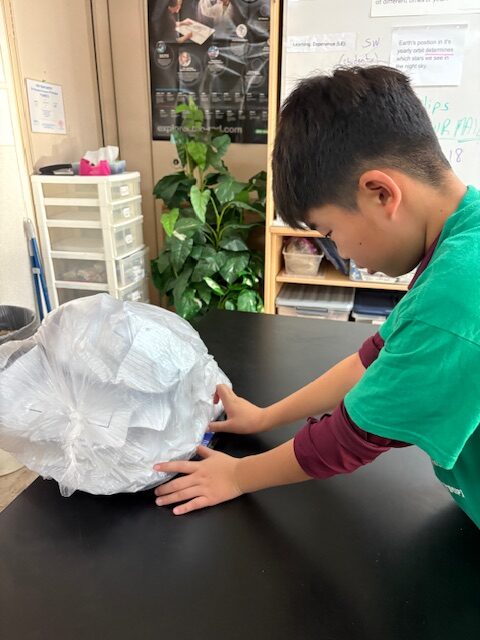
Every year students and teachers have creative ideas that they plan and enact as part of Eco-Schools U.S. Projects that are unique to the school and community carry more meaning for students and provide an opportunity to make change. The projects they undertake are wonderful pads from which they launch into an adolescence and adulthood empowered to make a difference, which is what our future needs.
Are you a teacher or administrator interested in using Eco-Schools U.S. in your school? You can visit www.nwf.org/Eco-Schools-US to learn more or register, or you can reach out to Roberta Hunter, Education Program Manager at New Jersey Audubon.
By Roberta Hunter, Education Program Manager at New Jersey Audubon | [email protected]