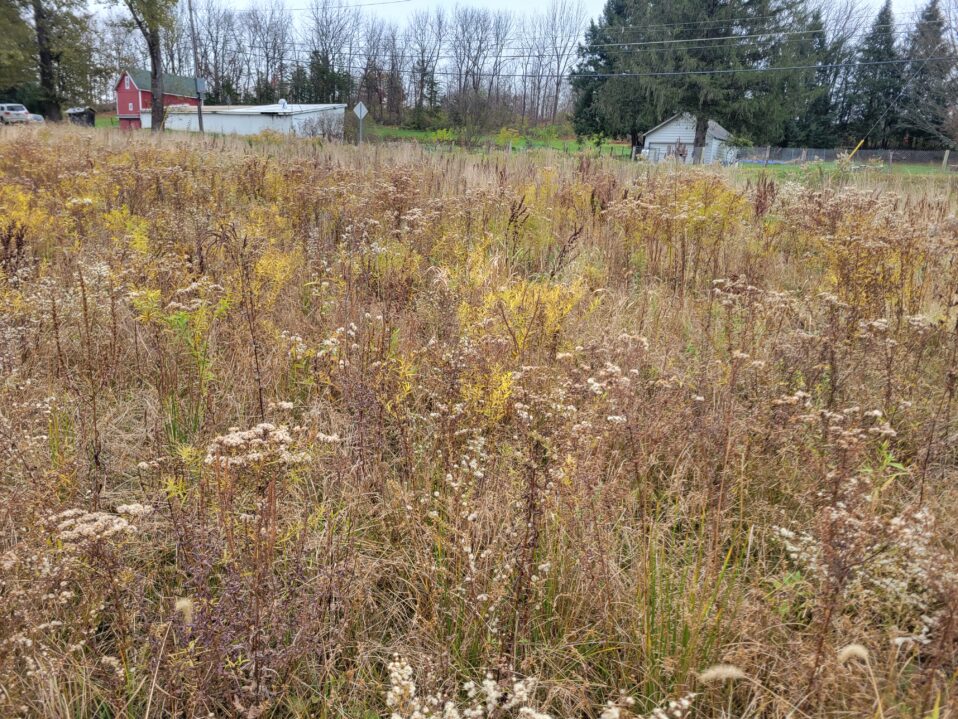
Leaving dead-standing wildflowers and grasses in both fields and gardens can provide critical habitat for insects and wildlife.
From harvest festivals to the changing of the leaves, there are many great reasons to enjoy the fall. As the seasons change, we can observe and enjoy many species of birds as they make there annual migrations to, from, and through our state, but it’s important to consider the many native species that call our state home year-round.
With cooler weather, animals begin to burn more resources to keep warm and there are several ways that we can help ensure our native species have the resources they need to successfully overwinter. Producers can consider leaving several rows of crops such as corn, soy, or sunflowers where the edges of fields meet the woods to provide supplemental food resources. As yard cleanup carries on, consider leaving leaves to compost in place. The damp leaf litter is an important habitat component for many amphibians, salamanders, and insects and will help recycle the organic material back into your soil. While it is tempting to cut back and deadhead our flower gardens, old seed heads from coneflowers, sunflowers, and others will be used by many birds and granivorous mammals while their stems may be the home to one of our many overwintering pollinators.
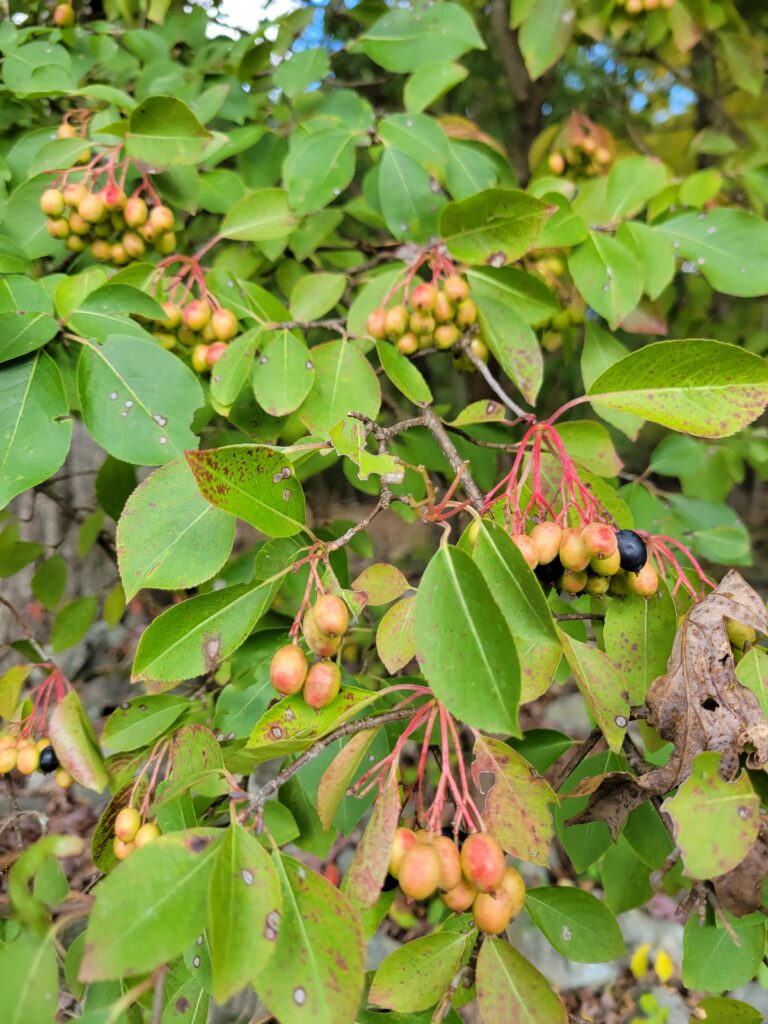
Perhaps the most important thing you can begin to do now is begin to plan for the next year. How will you make your property more friendly for wildlife in the coming year? It could be treating those cool season grasses in your native warm season grass stands after the first frost (around mid-October) to help favor the native warm season grasses. Another option could be to begin to prepare the ground for a shrub planting featuring species that produce berries and fruit in late autumn and winter. Species such as the charismatic cedar wax wing depend almost exclusively on berries throughout the winter!
By Hunter Ross, Stewardship Project Coordinator