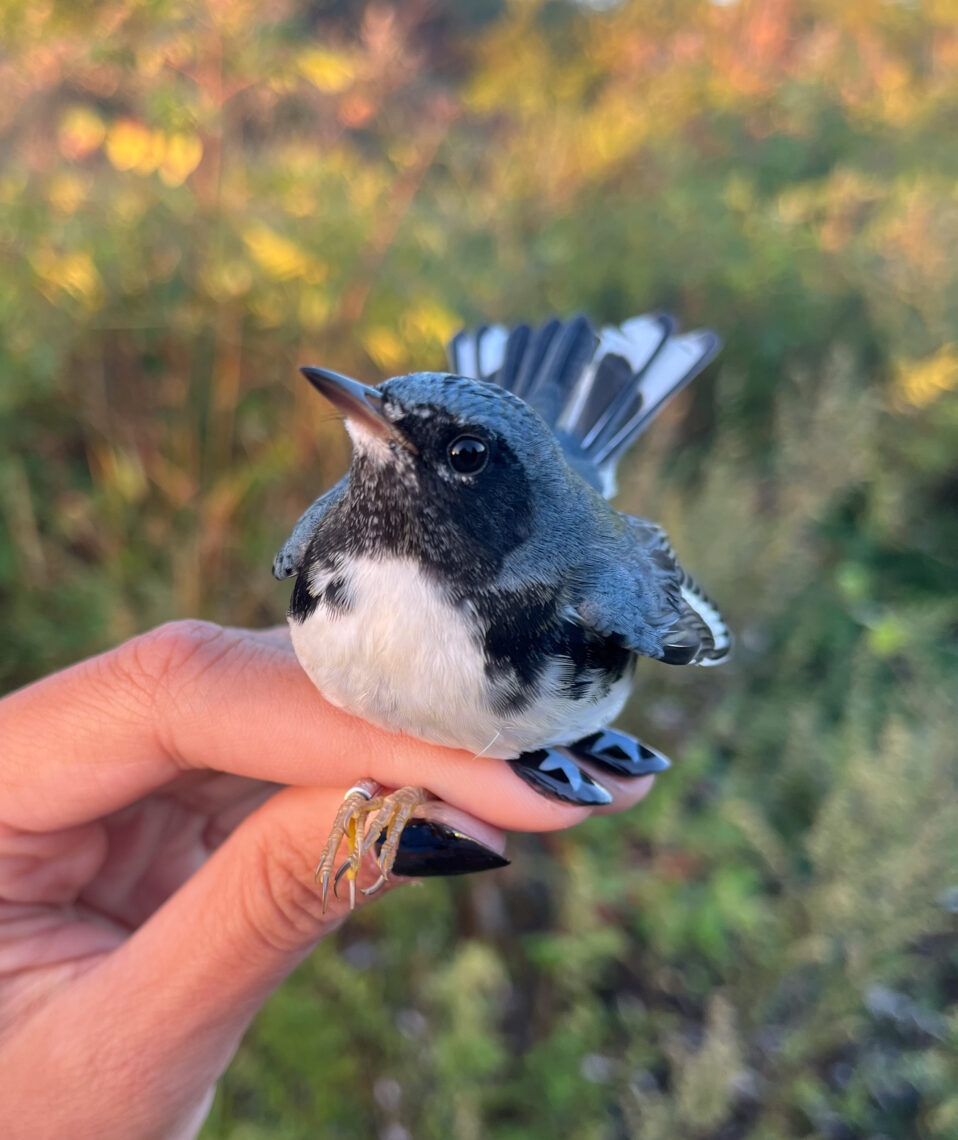
As August came to a close and September began, summer’s heat stuck around Cape May, with sunny, humid days occasionally interrupted by breezy conditions. Despite the heat, migration continued to pick up, bringing more species, more birds, and some exciting highlights for our banding team.
Week 3 began with solid diversity and an exciting milestone in our Northern Waterthrush tracking project. Eleven Northern Waterthrushes were fitted with transmitters in one day, bringing us closer to our goal of deploying 60 unique tags before the end of the fall banding season. Way to go, team!
One of these waterthrushes, tagged on August 31st, became the first individual to leave Cape May. It was last detected in Williamsburg, Virginia, on September 3rd, marking the beginning of its journey south. Now, our banders are eager to settle their debate over where this bird will turn up next: Florida, Colombia, Venezuela, or the Bahamas. Place your bets!
Our optimism continued as a few new species joined our ongoing list, including a House Wren, Blue-gray Gnatcatcher, and an American Woodcock; the latter an ever-welcome guest to the banding station. Tuesday was not only a successful day for tagging Northern Waterthrushes, but an exciting one for the station as a first-of-season Blue-winged Warbler made an appearance.
Friday brought another season’s first in the form of a Tennessee Warbler, while Saturday continued the momentum. A total of 22 species and 152 newly banded birds made it the busiest day of September so far! Among the highlights were our season’s first Blue Grosbeak and Western Palm Warbler, a terrestrial insectivore known for its continual tail-wagging.
By the end of the week, our banders had processed 418 birds. With migration gaining momentum and new species continuing to make their way through Cape May, we’re excited to see what the rest of September brings!
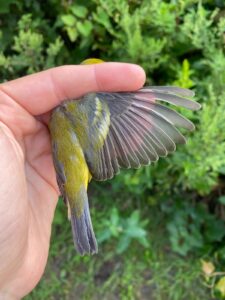
Blue-winged Warbler photo by Lisa Viviano
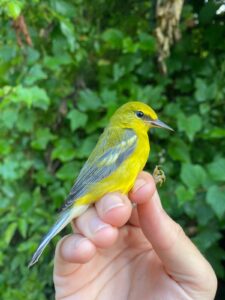
Blue-winged Warbler photo by Lisa Viviano
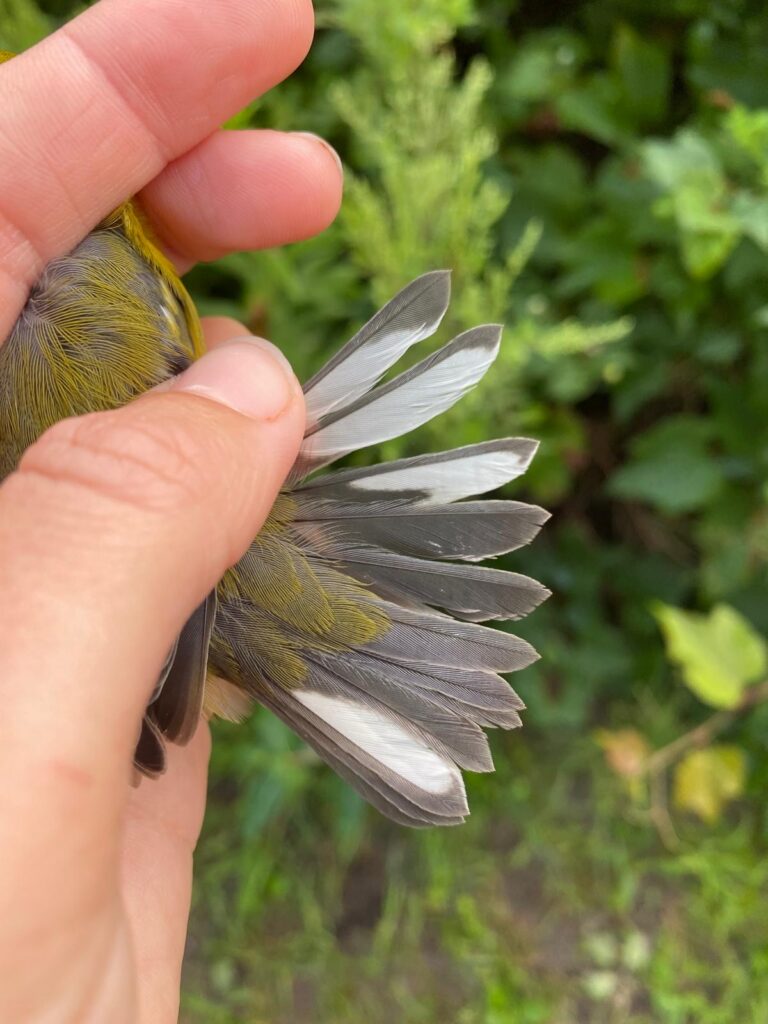
Blue-winged Warbler photo by Lisa Viviano
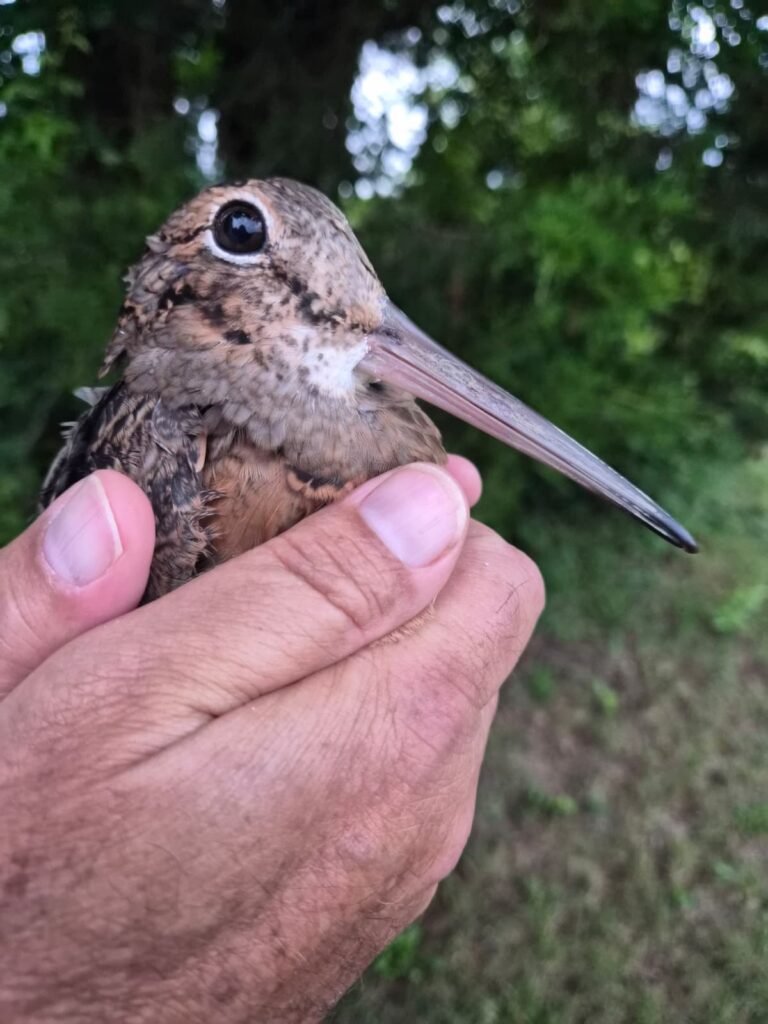
American Woodcock by Vicki Morgan
All bird capture, handling, and banding are authorized under appropriate USGS state and federal permits.